

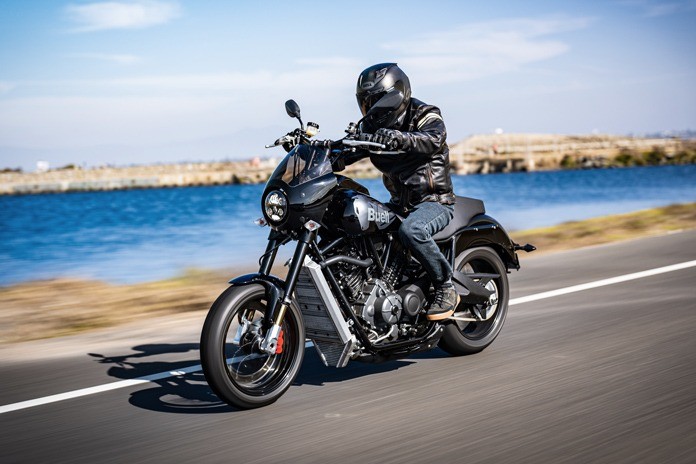
The storied American brand is experiencing a renaissance, challenging Harley-Davidson and Indian with innovation-focused machines that appeal to a new generation of riders
When Erik Buell founded his namesake motorcycle company in 1983, he conceived a uniquely American sportbike that could compete with European and Japanese manufacturers on performance while maintaining a distinctly American character. After a tumultuous partnership with Harley-Davidson that ended in the brand’s demise, Buell has emerged from the ashes with new resolve, targeting a segment of the motorcycle market that traditional American manufacturers have struggled to capture.
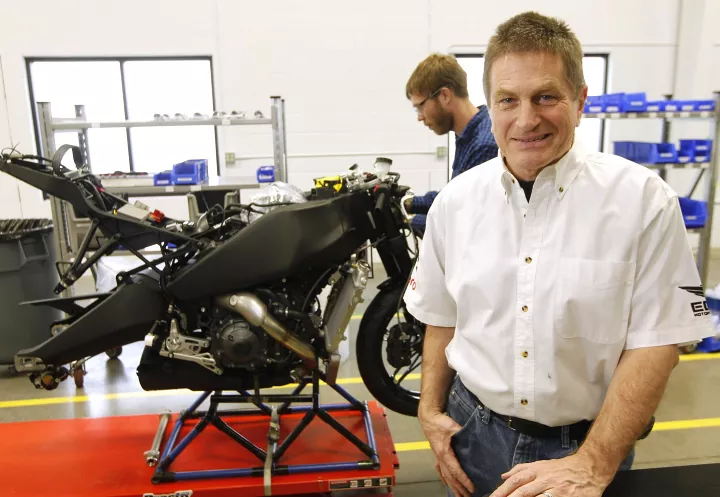

During an interview with RevZilla, CEO Bill Melvin said, “Sometimes you need the broad view of what actually works in the market to put it into a business plan to make it profitable. And not be restricted by a parent company that says,’Do this.’That’s not going to happen anymore. This is a stand-alone brand, and it’s going to be grown that way.”
The U.S. Motorcycle Market: Shifting Gears
The American motorcycle industry has undergone a major transformation over the past decade. Total U.S. motorcycle sales have fluctuated between 300,000 and 500,000 units annually in recent years, with the market experiencing both pandemic-era surges and subsequent corrections. Traditional cruiser-style motorcycles, long dominated by Harley-Davidson and Indian, have faced declining interest among younger riders, who increasingly favor adventure bikes, sportbikes, and middleweight standard motorcycles.
According toBuckner Nesheim, Director of Research and Statistics for theMotorcycle Industry Council (MIC)



“While overall sales softened in 2025, the data points to clear shifts in how and what consumers are buying. Customers are moving toward smaller, affordable, versatile, and performance-focused models, while sales in traditional large-displacement on-highway segments like touring and cruisers continue to decline.”
European manufacturers like BMW, Ducati, and Triumph have steadily gained market share, while Japanese brands continue to dominate across multiple segments. In a watershed moment for the industry, Kawasaki made headlines by overtaking both Honda and Harley-Davidson to briefly become the top-selling motorcycle brand in the U.S. market. Kawasaki saw growth of roughly 14% to 17% year-over-year in the American market, a remarkable achievement that fundamentally reshapes competitive dynamics.
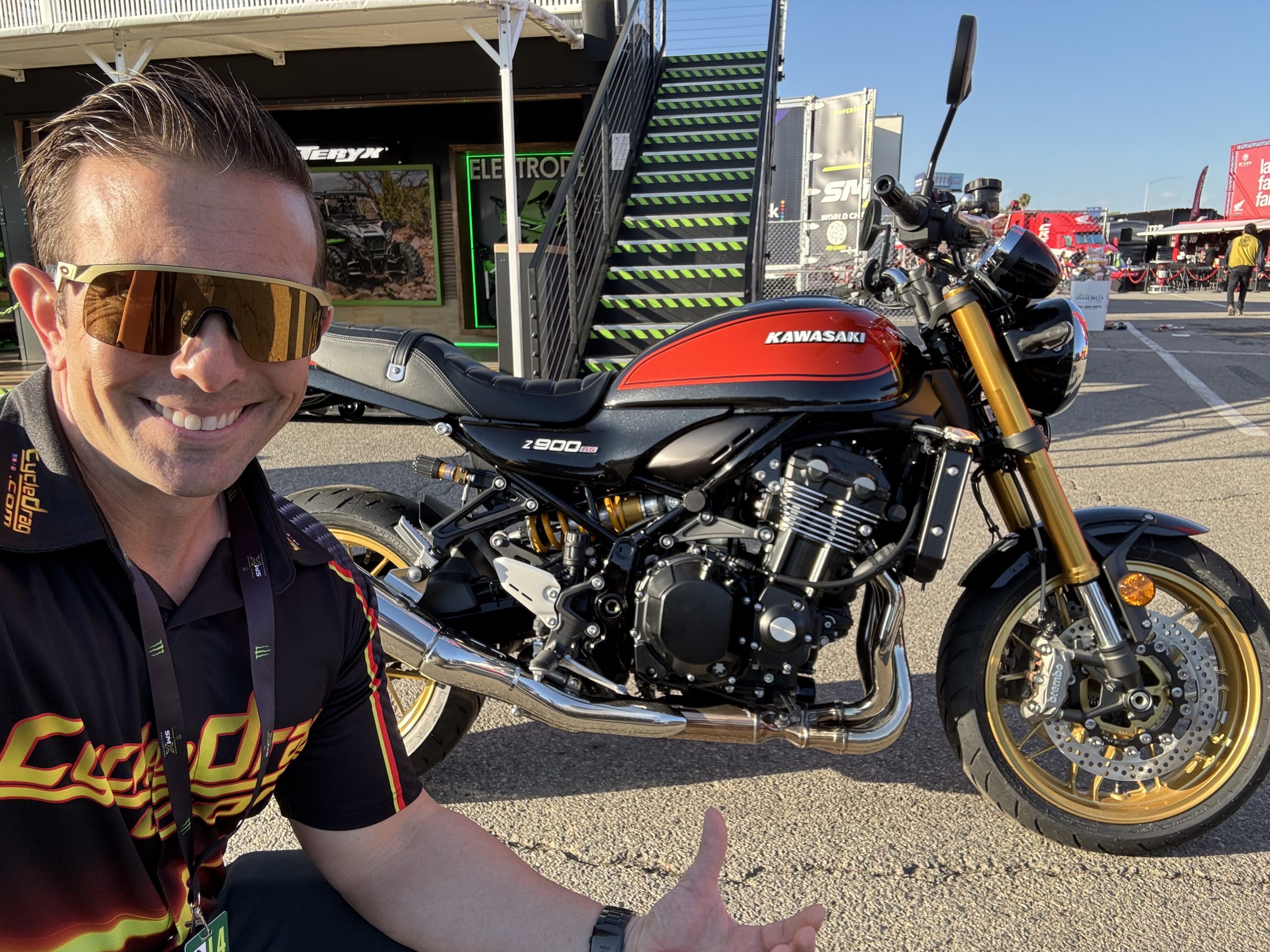
Kenji Kawaguchi, the President of Kawasaki Motors Corp., U.S.A. (who took the helm in April 2024), and other executives have signaled a change in strategy that stressed “value-performance” over “pure displacement.”
Kawasaki’s success reflects a shrewd tactical stance across multiple fronts. While the Ninja 500 and Vulcan S moved the most units in the street category, demonstrating the continued appeal of smaller, lighter, and more affordable models to newer riders and budget-conscious enthusiasts, the real story lies in Kawasaki’s dominance of dual-sport and off-road segments. In 2025, the KLR, KLX, and newly reintroduced KLE models were absolutely essential to Kawasaki’s performance, allowing the brand to capture the one segment of the market that was actually growing while competitors remained heavily invested in declining categories.
This shift reveals transforming market dynamics that challenge long-held assumptions about what American riders want. The success of accessible, versatile models over high-displacement cruisers and premium sportbikes reveals a market that is increasingly valuing approachability, affordability, and multi-purpose capability over prestige and specialization. Kawasaki’s rise demonstrates that manufacturers who understand emerging rider preferences can gain significant market share even versus established giants.
Buckner Nesheim, Director of Research and Statistics for theMotorcycle Industry Council (MIC).In a February 2026 report observed:
“Customers are moving toward smaller, affordable, versatile, and performance-focused models, while sales in traditional large-displacement on-highway segments like touring and cruisers continue to decline.”
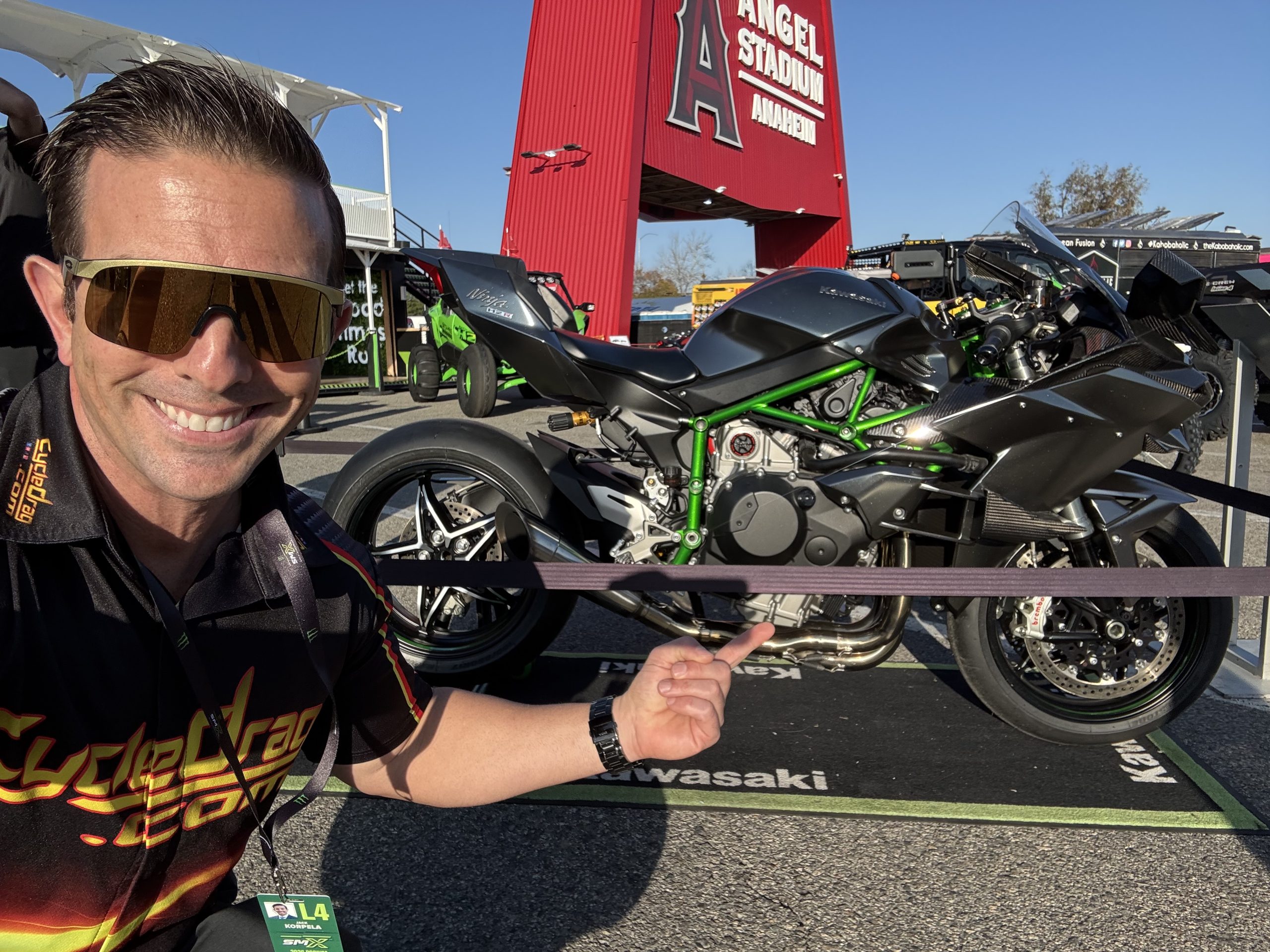
The sportbike and performance categories, which represent roughly 15-20% of total U.S. sales, have remained primarily the domain of Japanese manufacturers like Yamaha, Kawasaki, Honda, and Suzuki, with Italian premium brand Ducati commanding the high-end segment.
American manufacturers have historically struggled in the performance segment, though Harley-Davidson has found unexpected success with diversification. While Harley experienced a tough year globally in 2025 with an overall sales decline of nearly 20%, the adventure segment—anchored by the Pan America—remained one of the few bright spots for the Milwaukee manufacturer. The Pan America has transitioned from experimental newcomer to a key pillar of Harley’s lineup. In Q3 2025, adventure bike sales for Harley-Davidson actually increased by 4%, bucking the downward trend of the brand’s other non-touring models. The Pan America 1250 Special established its place as one of the top 5 best-selling Harley models in the U.S., a massive feat for a platform that has only been around since 2021.
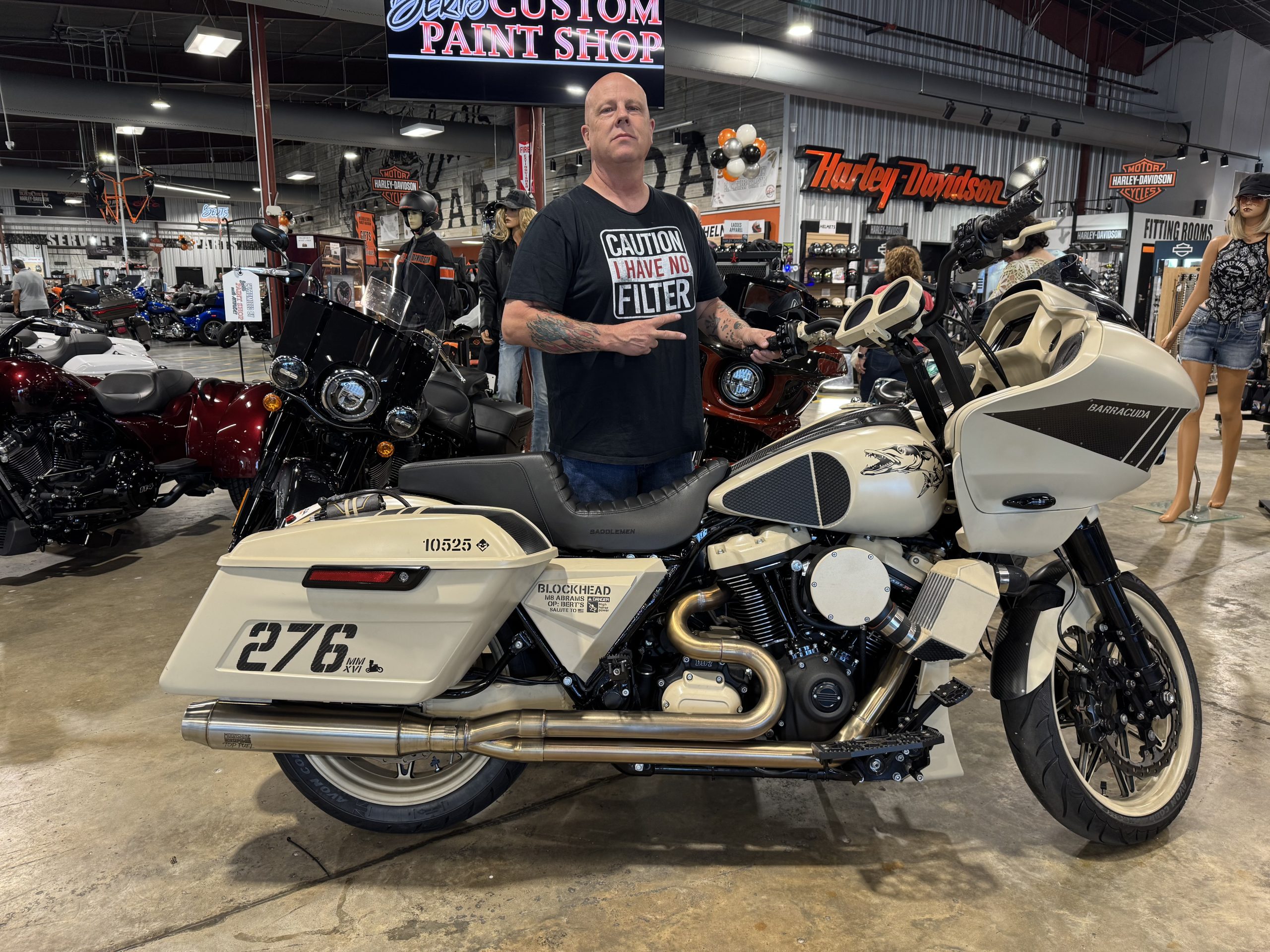
Jochen Zeitz, former CEO of Harley-Davidson, stated, “With the Pan America Special now the #1 selling ADV motorcycle model in North America, we targeted a selective expansion into adventure touring as part of the Hardwire Strategy with the goal to reach new and existing Harley-Davidson customers. Pan America is squarely built on our mission to deliver a timeless pursuit of adventure for our riders.”
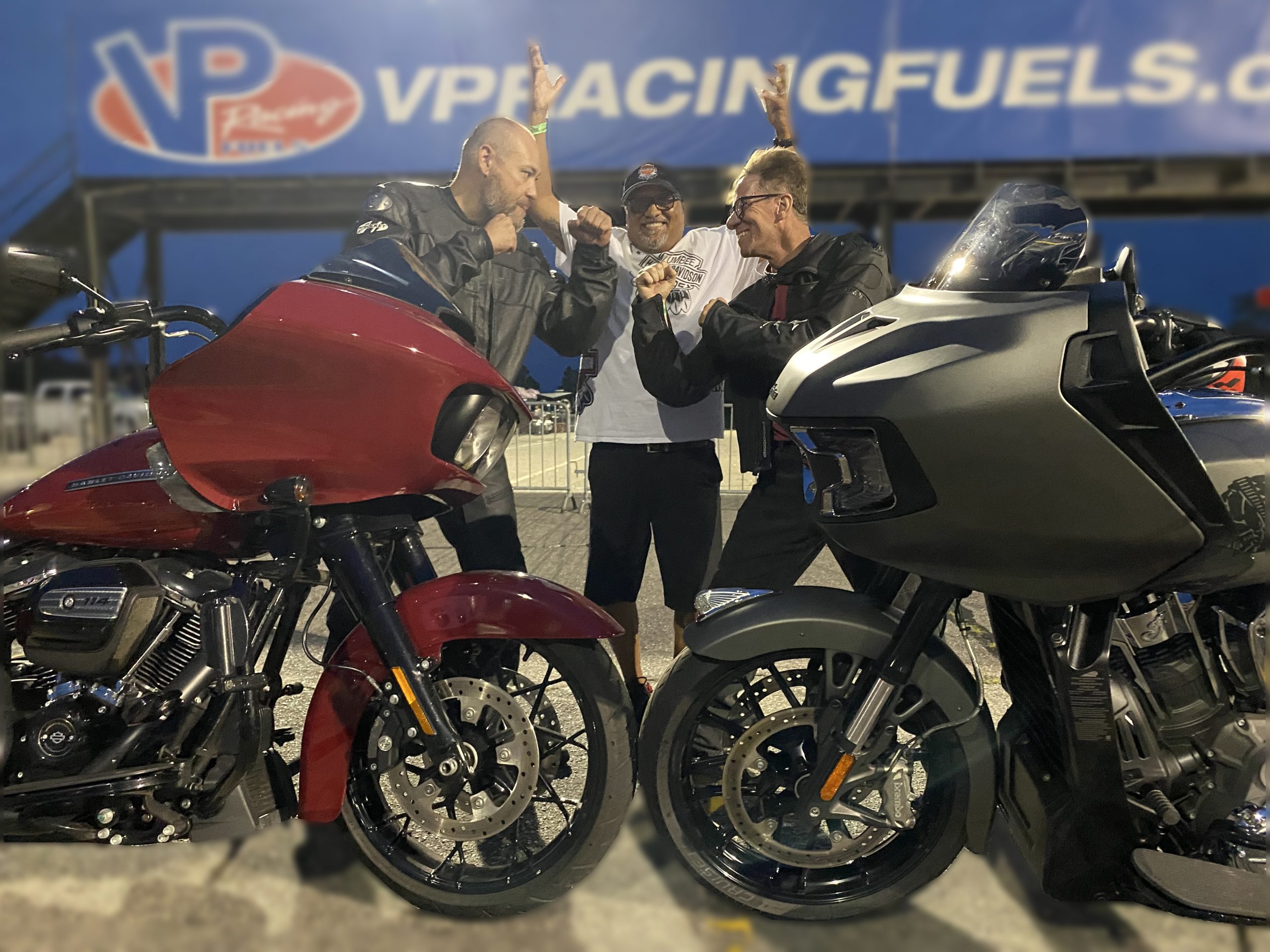
Indian’s FTR models have similarly targeted the flat-track-inspired sport sector with moderate success, while Harley’s LiveWire electric motorcycle represents ongoing experimentation with alternative powertrains. Despite these efforts, the pure sportbike segment remains largely untouched by American manufacturers, creating an opening that Buell is uniquely positioned to exploit as a performance-focused domestic brand.
The Harley-Davidson Years: Partnership and Dissolution
Buell’s relationship with Harley-Davidson began in 1993, when the Milwaukee giant acquired a 49% stake in the company, eventually taking full ownership in 2003. The partnership provided Buell with manufacturing resources and dealer networks while giving Harley-Davidson entry into the sportbike market. Models like the Buell Firebolt, Lightning, and Ulysses gained cult followings among devotees who appreciated their unconventional engineering solutions, including perimeter brake rotors, underslung exhaust systems, and fuel-in-frame designs.
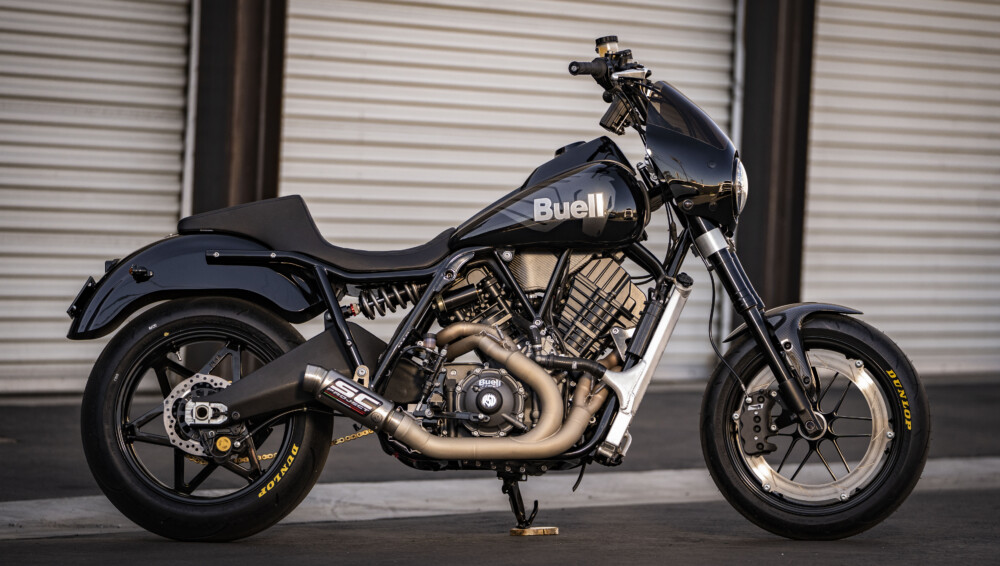



However, the partnership was riddled with tension. Harley-Davidson’s dealer network, trained and oriented toward cruiser sales, often treated Buell as a stepchild. Investment in development remained inconsistent, and marketing support lagged behind Harley’s core product lines. When the 2008 financial crisis struck, Harley-Davidson made the decisive choice to shutter Buell operations in October 2009, citing the need to emphasize core brands.
The closure left approximately 180 employees without jobs and dealers with unsupported inventory. Erik Buell himself described the decision as devastating, though he quickly pivoted to found Erik Buell Racing (EBR), which produced small numbers of high-performance motorcycles before that venture also encountered financial difficulties in 2015.
In a 2025 interview, Erik admitted that his greatest regret wasn’t an engineering choice, but a social one:”My wish… would be to have better navigated corporate politics.”
Phoenix Rising: The New Buell
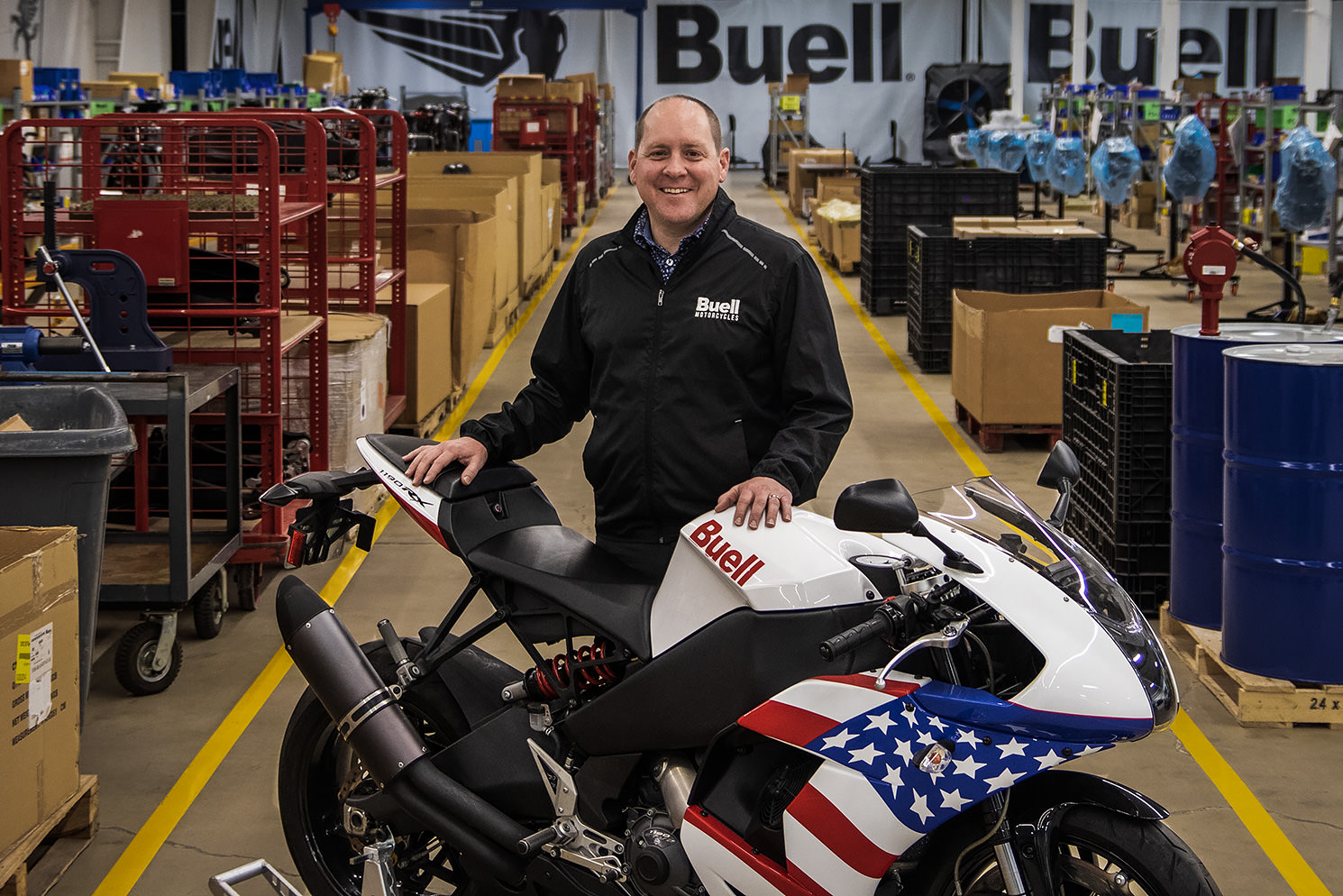
The Buell brand’s revival began when it was acquired by new ownership committed to honoring Erik Buell’s original vision while modernizing for contemporary riders. The reborn company has taken a measured approach, focusing on engineering superiority, American manufacturing, and targeted production rather than competing on volume alongside established players.
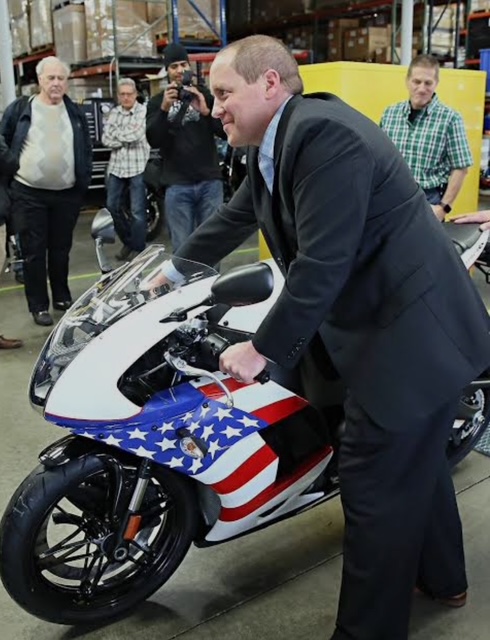
Bill Melvin, the CEO of the revived Buell Motorcycle Co., has been clear that this isn’t just a “nostalgia play.”
Today’s Buell operates as a boutique manufacturer, producing motorcycles that stress innovation, performance, and distinctive character. The company has strategically positioned itself between mass-market Japanese sportbikes and ultra-premium European machines, offering American engineering and design at competitive prices. Manufacturing takes place in the United States with a combination of domestic and globally sourced components, a model that allows quality control while preserving price competitiveness.
Sales Performance and Financial Estimates
While Buell remains privately held and does not publicly disclose detailed financial information, industry analysts estimate the revived brand produced between 1,200 and 2,000 units in its most recent full year of operation. At an average transaction price estimated between $20,000 and $25,000 per unit based on current model pricing, this suggests annual revenues in the $24-50 million range, positioning Buell as a small but viable niche player. Industry analysts at firms like MotorCyclesData and contributors to Jalopnik have been tracking Buell’s “pre-order-to-production” ratio as a litmus test for its survival.
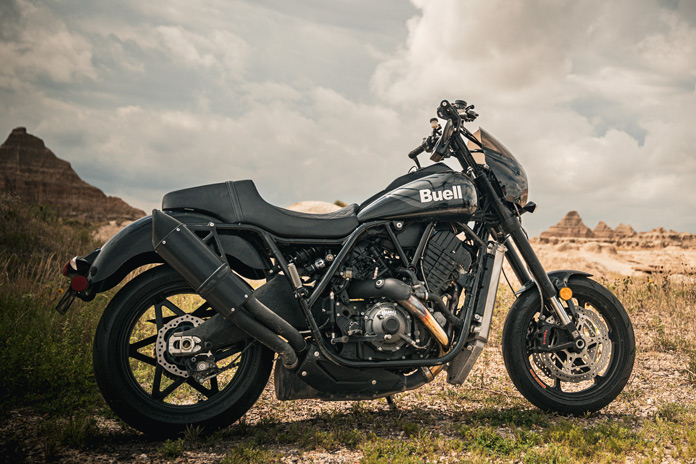


“Buell has managed a feat most boutique startups fail: turning a concept into a serialized production line. However, the brand’s viability rests on a massive paradox. They have $120 million in pre-order value on the books for the Super Cruiser alone, but their production pace is ‘hand-built’ and slow. In a market where high interest rates are killing the $25,000 luxury bike, Buell is racing against time to fulfill those 6,000 orders before the ‘enthusiasm window’ closes.”
These numbers, while modest relative to those of major manufacturers, reflect an intentional growth strategy. Buell has valued sustainable expansion, controlled dealer networks, and brand building over rapid scale. The company reportedly maintains waiting lists for certain models, suggesting demand outstrips current production capacity, a positioning that creates cachet in the premium motorcycle market.
Production increases are planned as the company expands manufacturing capabilities and dealer relationships. Industry observers note that Buell’s current scale is similar to that of other successful boutique motorcycle manufacturers, and the American heritage provides marketing advantages that pure startups lack.
Current Model Lineup and Competitive Status
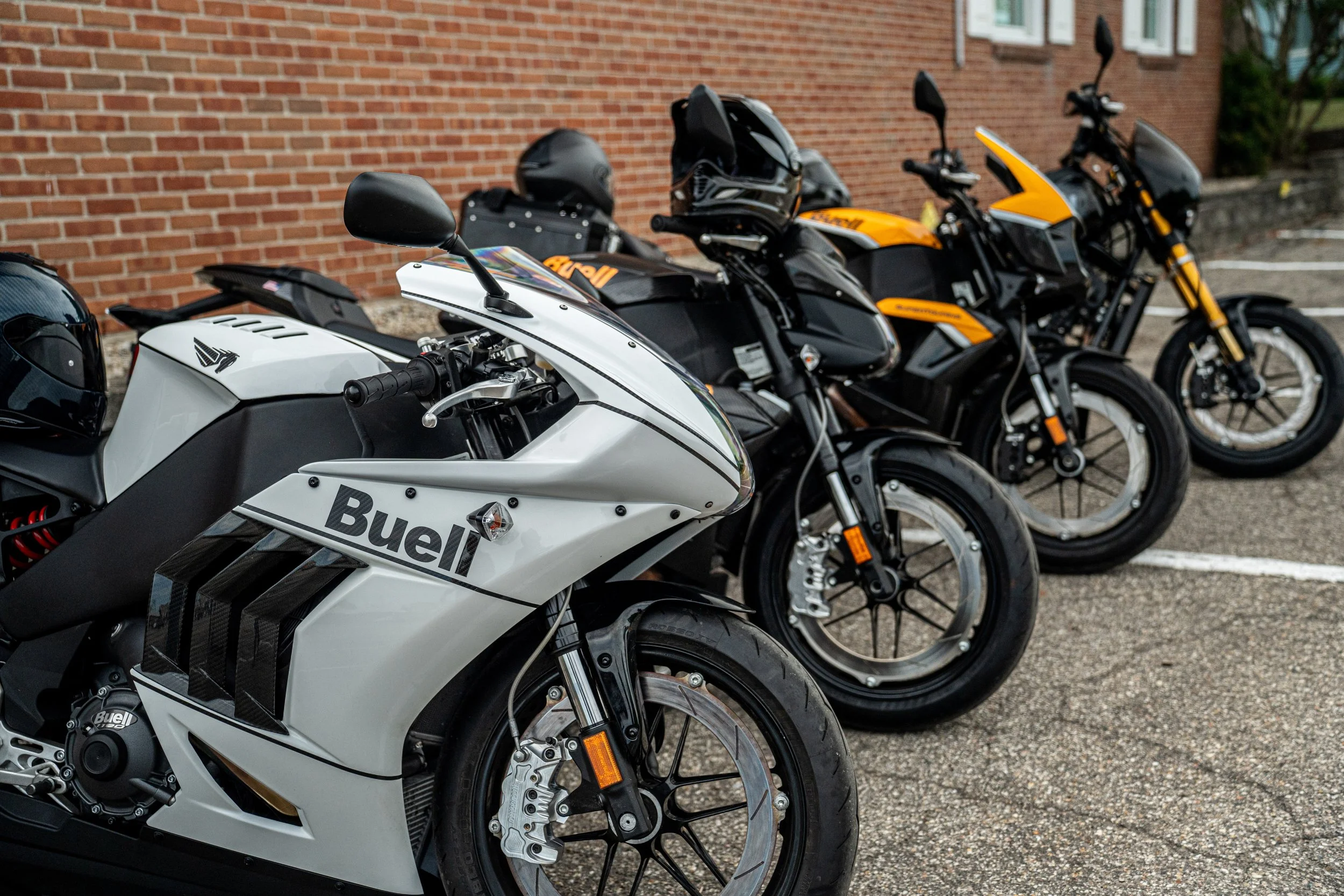
Buell’s current offerings showcase a comprehensive range from entry-level performance to flagship superbikes, each incorporating the unconventional engineering approaches that defined earlier Buell models as meeting modern expectations for power and technology.
The 1190SX: Performance Entry Point
At $19,995 MSRP, the 1190SX serves as Buell’s accessible gateway to serious performance. Despite its entry-level positioning, the specifications are impressive: 185 horsepower and 102 ft-lbs of torque. of torque from the powerplant, packaged in a featherweight 414-pound chassis loaded with Buell performance parts. This power-to-weight ratio rivals that of bikes costing thousands more, making it a compelling value proposition for riders seeking track-capable performance without premium pricing. The 1190SX competes directly against models like the Yamaha YZF-R1 ($19,199), Kawasaki Ninja ZX-10R ($16,699), and Suzuki GSX-R1000 TBD but assumed competitively priced). While Japanese competitors offer slightly more horsepower, the Buell’s exceptional weight advantage and American provenance create differentiation that justifies the premium.
Jacob Stark, an Engineering Specialist and lead “Tech Talk” voice for the brand, sums it up as Raw Power vs. “Bells and Whistles”.
“The consumer sees [electronics] as ‘ooh, bells and whistles.’ It’s a knick-knack, a cool thing that comes as standard, so they want more, more, more. To a racer, electronics are a handicap—and we come from a racing heritage… You can really surprise other riders out there with the capabilities of the Hammerhead [and 1190SX]. It’s actually very difficult to go out and buy a bike that costs less and still outperforms the 1190 on the track, especially straight out of the box.”
The Hammerhead 1190: Flagship Performance
Buell’s range-topping Hammerhead 1190 represents the brand’s uncompromising vision for an American superbike. With 185 hp and 102 ft-lbs of torque in an astonishingly light 419-pound package, the power-to-weight ratio exceeds virtually every competitor in its class. The signature single-perimeter front braking system, paired with an Accosto 8-piston caliper, demonstrates Buell’s devotion to cutting-edge engineering solutions that reduce unsprung weight while continuing stopping power.
Premium components define the Hammerhead’s specification sheet: Wilburs suspension, front and rear, provides world-class damping, while the Buell damper and Dunlop Sportmax tires complete a package designed for serious riders. This model competes against the BMW S 1000 RR ($19,895, 205 hp, 437 lbs.), Ducati Panigale V2 ($16,995, 120 hp, 395 lbs.), and the aforementioned Japanese liter bikes. The Hammerhead’s power-to-weight advantage over competitors translates directly to performance advantages in acceleration, braking, and handling.
The Super Touring: Sport-Touring Excellence
Priced at $23,995, the Super Touring targets riders looking for high performance with greater versatility than pure sportbikes offer. The 185 hp power plant delivering 102 ft-lbs of torque in a 449-pound chassis creates a persuasive sport-touring package. This model connects Buell’s focused sportbikes and more comfortable sport-touring options from other manufacturers.
Competitors in this segment include the Yamaha Tracer 9 GT ($12,599, 483 lbs.), Ducati SuperSport 950 ($15,495, 110 hp, 419 lbs.), and BMW F 900 XR ($12,695, 105 hp, 454 lbs.). The Buell’s substantial power advantage, 68-80 hp more than competitors, combined with competitive or superior weight figures, positions the Super Touring as the performance leader in the sport-touring category.
The Super Cruiser: American Sport Standard
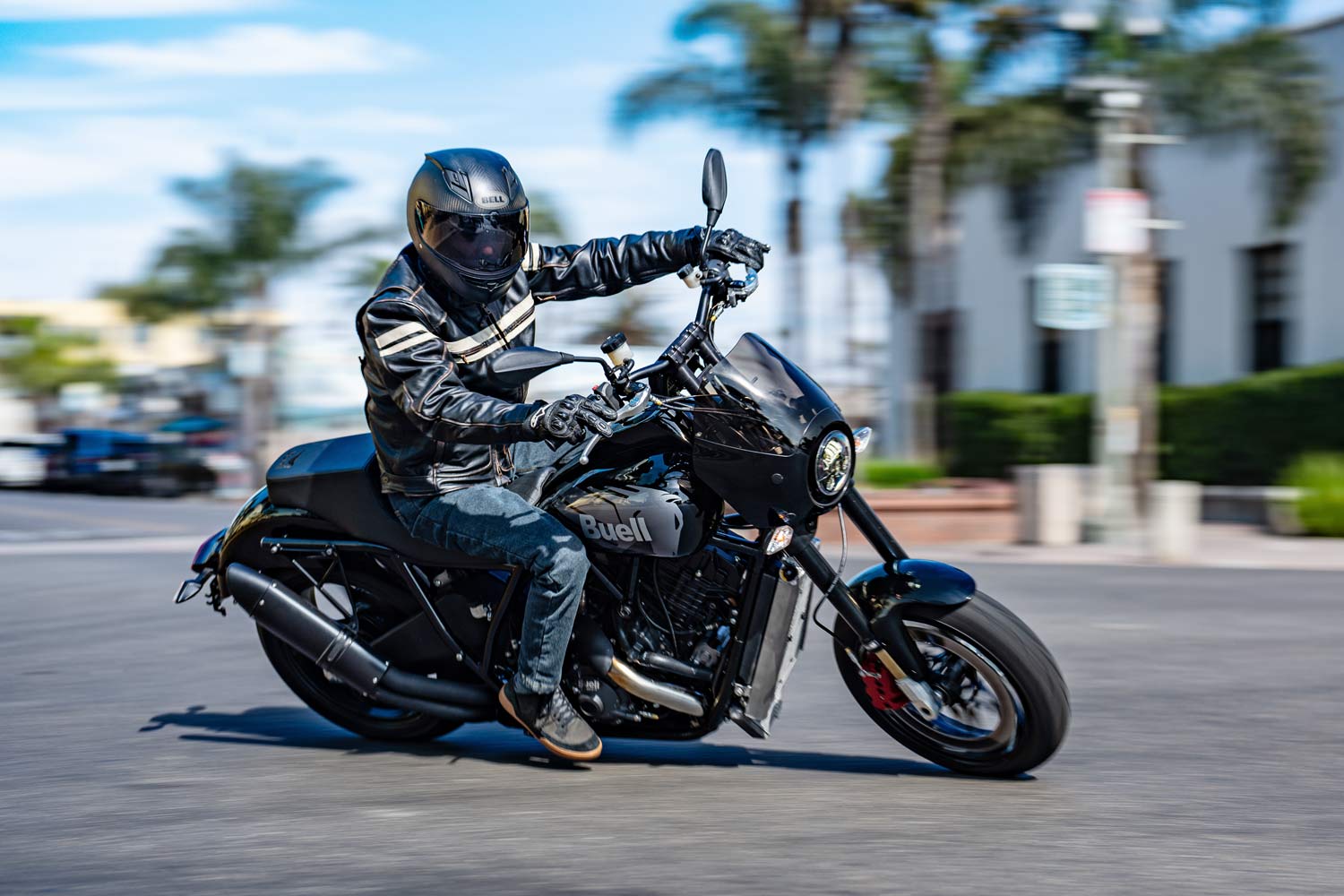
The $25,900 Super Cruiser represents Buell’s flagship interpretation of a performance standard motorcycle. With 175 hp, 94 ft-lbs of torque, and a trim 485-pound curb weight, the Super Cruiser delivers sportbike performance in a more upright, versatile package. Premium components include FOX suspension at the front and rear, FOX damper, Brembo dual-disc brake system, and Dunlop Sportmax tires—a specification sheet that rivals that of bikes costing significantly more.
This model competes against the Ducati Monster ($13,995, 111 hp, 386 lbs.), Triumph Speed Triple 1200 RS ($21,095, 180 hp, 439 lbs.), and Yamaha MT-09 SP ($12,699, 119 hp, 428 lbs.). While the Super Cruiser carries the highest price in this comparison, it also delivers the most comprehensive premium component package, with FOX suspension and Brembo brakes standard rather than optional upgrades.
Across Buell’s entire lineup, the emphasis on lightweight construction stands out. While Japanese manufacturers have allowed liter bikes to creep toward 450-460 pounds and European exotics often exceed 430 pounds, Buell’s devotion to mass centralization and lightweight engineering delivers tangible performance advantages. The power figures, while competitive rather than class-leading, become exceptional when considered alongside the weight figures.
The extensive use of premium components—FOX and Wilbur’s suspension, Brembo and Accosto brakes, Dunlop Sportmax tires—as standard equipment rather than premium options demonstrates Buell’s value proposition. Riders get performance parts that rivals often reserve for premium models or charge thousands extra for.
Customer Appeal: Why Riders Choose Buell
Interviews with Buell owners and dealers reveal numerous factors driving customer preference for the brand over traditional American manufacturers like Harley-Davidson and Indian.
One representative from a West Coast partner dealer noted:
“The guy putting a deposit on a Super Cruiser is usually a 40- to 55-year-old who has owned three Harleys but is tired of being out-braked and out-handled. They want the ‘West Coast Club Style’ look—tall bars and a fairing—but they want 175 horsepower and a bike that weighs 200 pounds less than a Low Rider S. They’re buying ‘the bike Harley won’t build.'”
Performance orientation tops the list. While Harley-Davidson and Indian have created empires on cruiser and touring motorcycles, motorcyclists seeking sport-focused machines have historically turned to foreign manufacturers. Buell offers an American alternative for riders who want domestic heritage without sacrificing performance. The specifications tell the story: 185 hp from the 1190SX at $19,995 delivers more power per dollar than virtually any competitor, while the Hammerhead’s 419-pound weight sets new standards for liter-class sportbikes.
One owner in Colorado noted, “I wanted to support an American company, but I’m not a cruiser guy. Buell lets me have both.”
The uniqueness factor has a significant role in purchase decisions. In a market saturated with similar-looking Japanese sportbikes and ubiquitous Harley cruisers, Buell offers visual and mechanical distinction. The unconventional engineering solutions—single-perimeter braking, mass centralization, underslung exhausts—create conversation pieces and differentiation that appeals to riders pursuing individuality. When a Hammerhead 1190 pulls into a bike night, riders notice.
Value proposition matters to many buyers. At $25,900, the Super Cruiser includes FOX suspension and Brembo brakes as standard—components that cost $3,000-5,000 as aftermarket upgrades. The 1190SX delivers 185 hp for under $20,000, a price point where Japanese competitors offer 120-150 hp middleweights. Buyers report feeling they receive European-level innovation and components at prices that significantly undercut premium brands.
One owner of a 2025 Hammerhead 1190 described the value this way:
“If you want a bike that rides itself, buy a BMW. If you want a bike that you actually have to ride, you buy a Buell. The value isn’t in the TFT screen or the cruise control—it’s in the fact that I’m on a 185-horsepower V-twin that weighs as much as a 600cc bike and was hand-built in Michigan. It’s an American exotic that doesn’t feel like a plastic toy.”



The weight advantage resonates strongly with experienced riders who understand how mass affects every aspect of motorcycle performance. Shaving 30-40 pounds from a sportbike improves acceleration, braking, handling, and rider fatigue. Buell’s consistent focus on lightweight engineering, evident across every model from the 414-pound 1190SX to the 485-pound Super Cruiser, appeals to riders who value physics over marketing claims.
The anti-establishment appeal shouldn’t be underestimated. Some riders seek alternatives to what they perceive as Harley-Davidson’s lifestyle marketing and corporate approach. Buell’s underdog story, resurrection narrative, and engineering-focused identity attract riders who value substance over marketing. The brand doesn’t sell a lifestyle; it sells motorcycles designed by engineers who emphasize performance.
Younger age groups represent a key growth area. While Harley-Davidson struggles with an aging customer base (average buyer age over 50), Buell appeals to riders in their 30s and 40s who grew up with Japanese sportbikes but appreciate American heritage. The brand smoothly bridges generational divides which challenge traditional American manufacturers, offering the performance younger riders demand with the domestic provenance that creates an emotional connection.
Challenges and Road Ahead
Despite encouraging signs, Buell faces major challenges. Limited dealer networks restrict customer access and test ride opportunities. Parts availability and service support, critical for motorcycle ownership satisfaction, require persistent investment. Brand awareness remains low relative to established competitors, necessitating marketing expenditures that strain small-company budgets.
Manufacturing scale presents continuing difficulties. While boutique status creates cachet, it also limits economies of scale that reduce costs and increase profitability. Producing motorcycles with 185 hp engines, FOX and Wilburs suspension, Brembo and Accosto brakes, and maintaining sub-450-pound weight targets requires expensive materials and careful manufacturing. Buell has to carefully manage growth while retaining the qualities that attract enthusiasts.
The pricing strategy, while justified by specifications, places most models above Japanese competitors and at or above European alternatives. The Super Cruiser at $25,900 costs more than a Triumph Speed Triple 1200 RS, while the Super Touring at $23,995 commands a $8,000 premium over the Yamaha Tracer 9 GT. Buell must convince buyers that American engineering, premium components, and weight advantages justify these premiums.
The uncertain trajectory of the wider motorcycle market adds complexity. Declining ridership among younger Americans, competition from other recreational activities, and regulatory pressures around emissions create headwinds for all manufacturers.
However, Buell’s revival demonstrates that there is space in the American motorcycle market for innovative, performance-focused domestic brands. By targeting underserved segments, emphasizing engineering expertise, and building on Erik Buell’s legacy of unconventional thinking, the company has established a foothold in one of the world’s most competitive industries.
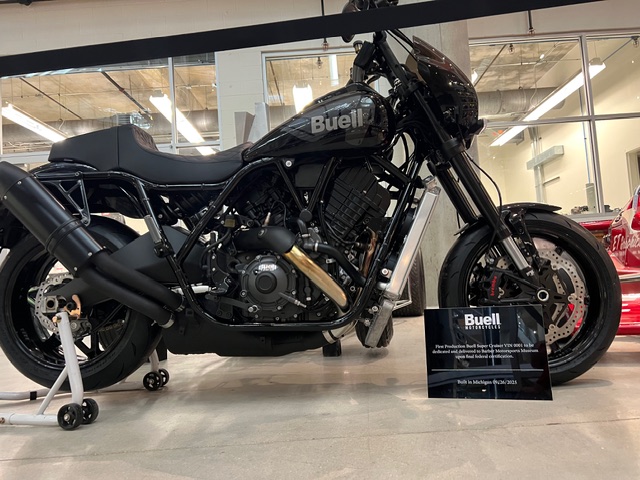
The current model lineup proves Buell’s devotion to competing on specifications rather than heritage alone. When the 1190SX delivers 185 hp for $19,995, when the Hammerhead weighs just 419 pounds, when the Super Cruiser arrives with FOX suspension and Brembo brakes as standard equipment, Buell makes a statement: American manufacturers can build world-class performance motorcycles that compete on engineering merit.



As the American motorcycle landscape continues to evolve, Buell’s phoenix-like resurrection serves as a reminder that innovation, authenticity, and focused execution can overcome even spectacular failures. For riders seeking American iron with European performance soul and Japanese reliability aspirations, Buell offers a compelling answer to a question the market has long asked: why can’t American manufacturers build world-class sportbikes? The answer, it turns out, is that they can—they just need the right vision, a commitment to engineering excellence, and a willingness to question conventional thinking to make it happen.
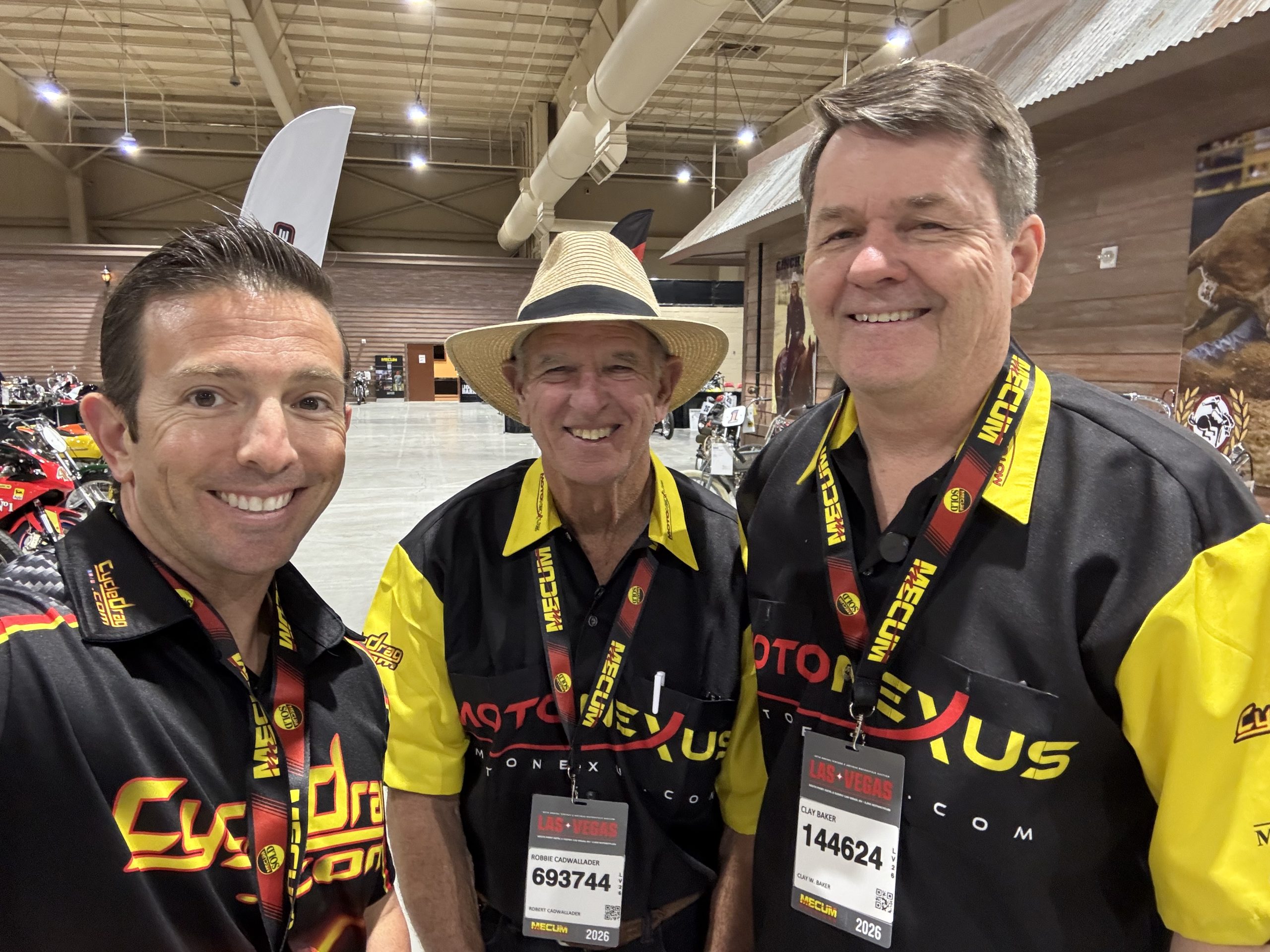
Article by:
Clay Baker
Motonexus.com
Repair, Restore & Ride. Motorcycle lifestyle, culture, and events
