

Column by longtime motorcycle drag racer Tyler Anderson – “The cards are stacked against any human racing a computer”
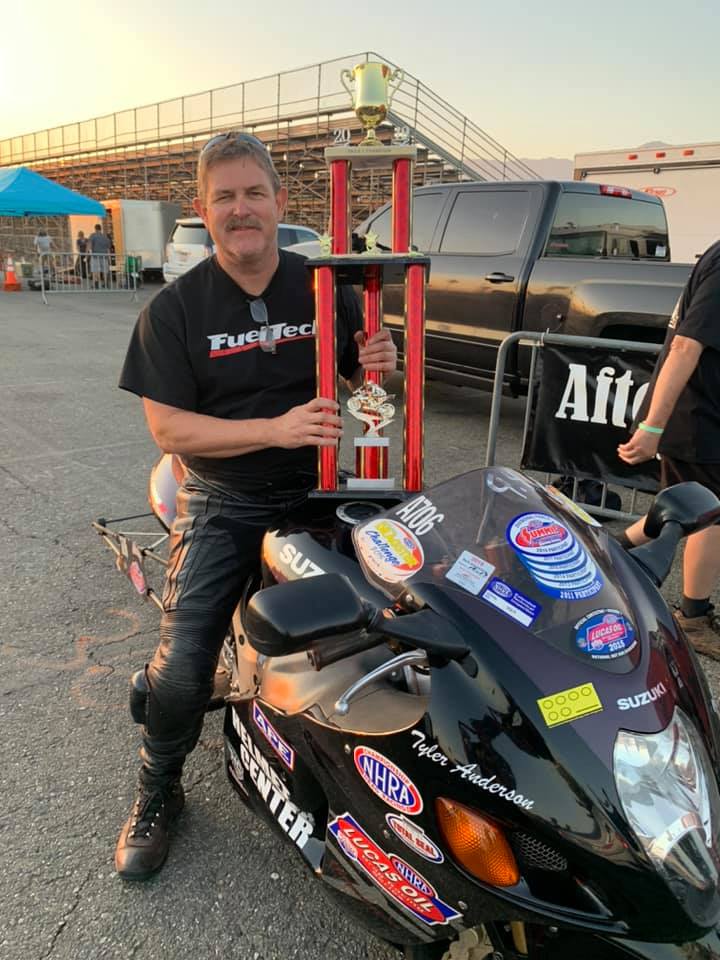
I watched a CycleDrag video titled “Had To Say It”.



The author, Jack Korpela, has spent a lifetime living motorcycles and reporting on motorcycle drag racing. His love for motorcycles goes beyond drag racing and he daily reports on many other motorcycle racing categories as well.
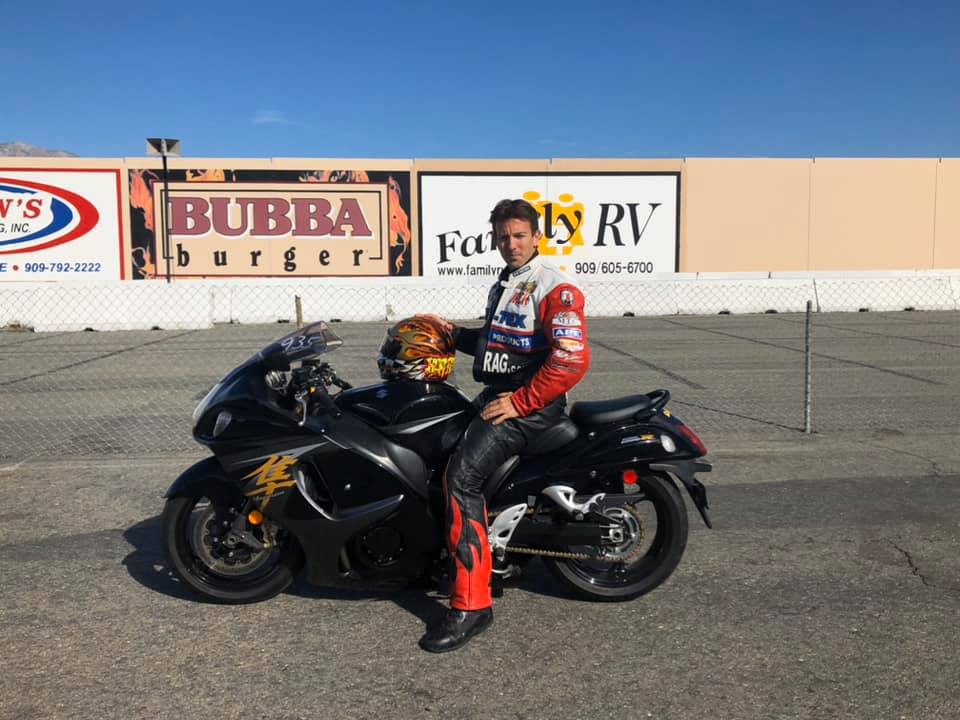
He also loves riding his street bike, clocking thousands of miles annually and even drag races himself. It would be difficult to find another person more in tune with motorcycle drag racing.
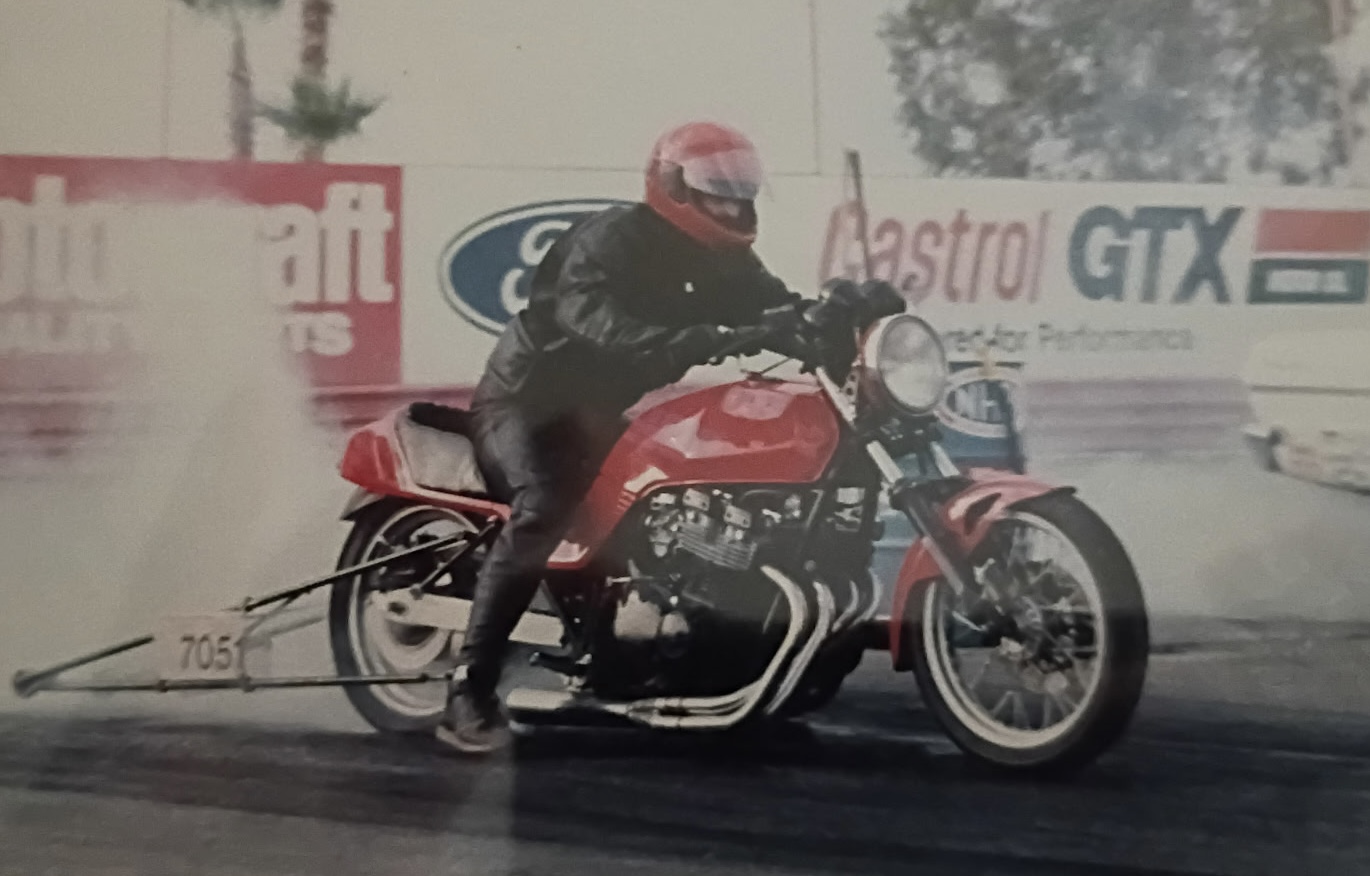
Having participated in competitive cycle drag racing since 1983 I find his article to be insightful and reflective and also the exact same stance I have myself. There will be many cycle drag racers that don’t agree with Jack’s article or my stance. That is fair. I hope you continue to read this story and see the underlying truth. It is easy to discuss these issues on social media, but these forum discussions can become unproductive where people disparage each other and the conversation lags into an endless stream of opinion.
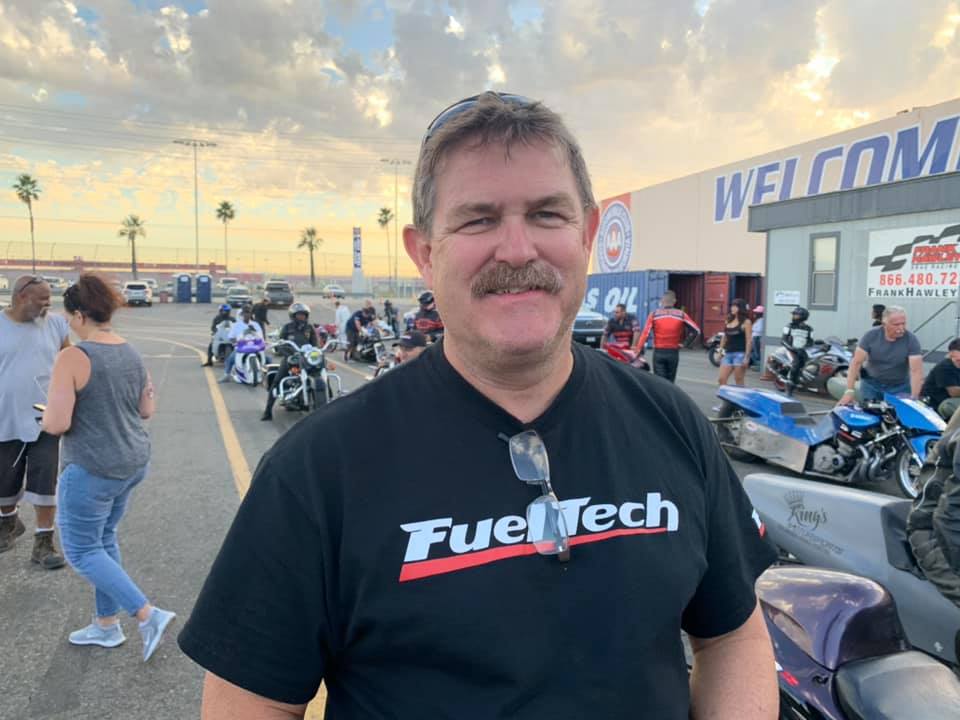
While that is the way of the world today, for this subject I prefer to contribute in a way I hope is a more seamless productive conversation. After experiencing the evolution of cycle drag racing and how the rules of the classes have adjusted to available technology there are things to consider regarding lowering participation and interest in the sport. So, here is a short story of my experience with motorcycle drag racing and how my opinion has been influenced.
I spent a couple years writing the biography of Gary Wells. He is famous for competing in cycle jumping and competing with Knievel for gigs in the early 70’s at the young age of 14. For years Gary jumped motorcycles at fairs and virtually every drag strip in the country and in 1980 failed in his attempt to jump his Honda 250 over the fountains at Caesars Palace in Las Vegas. He was an amazing motorcycle rider.
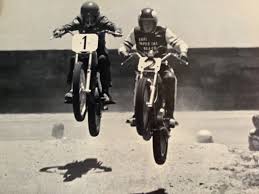



I initially met Gary in about 1985, dirt bike riding in Arizona, were we roamed with a group of open class desert racers that all rode Honda CR500’s. As I worked on his story, around 2014, he went with me to the drag strips around the west coast. When I was drag racing at Phoenix, Tucson, Vegas, Fontana, Bakersfield and others he rode along with me and we talked about his life and motorcycle racing.
In the early 70’s a very young Gary competed with the top flat track and motocross racers in the country. He could truly race a motorcycle to its limits and told me shocking stories of how his dad relieved the pain Gary experienced after crashing as a 10-12 year old boy. He learned the hard way at Ascot, Elsinore and the many west coast tracks where he practiced the basics of sliding, wheelie riding, stopping and all the other skills needed to race at a highly competitive level.
As we crossed the desert we often discussed cycle bracket racing. He found it to be silly and the more he learned about the computers controlling the bike and reducing the rider’s need to actually ride the bike, the more amused he became. I explained how the long swing arms, and wheelie bars stopped the bike from lifting the front wheel too high and how computers control the clutch, electronic wheelie sensors and limiters, auto shift and the fancy cross talk and delay boxes and all he could do was shake his head and laugh.
To defend the sport and myself…I explained how my bike had just a slick, wheelie bars and a lockup clutch…(old school for cycle drag racing), and then showed him my manual clutch and manual shift and the lack of computer controls. He looked me in the eye and said “Really? You can’t control the clutch with your hand so it doesn’t wheelie?” He knew I could wheelie and I knew he was just torturing me. Eventually I gave up…and explained, as briefly as possible: Bracket racing was invented to provide an opportunity for people that don’t have enough money, or the right racing vehicle to be competitive. This provides them a chance to race with limited funds and limited effort in preparing their racing vehicle, yet still have a chance at winning and having a hell of a good time.
Since he had spent so many years at dragstrips he knew the ropes already. His final response was, “they should do away with all the fancy computers and other nonsense that rides the bike for the racer. Just take the bike to track as it came from the factory and race. If you can’t control a bike when it spins the tire, pulls the front end up, slides sideways or lock up the back wheel at high speed and slide to a stop, you have no business racing”.
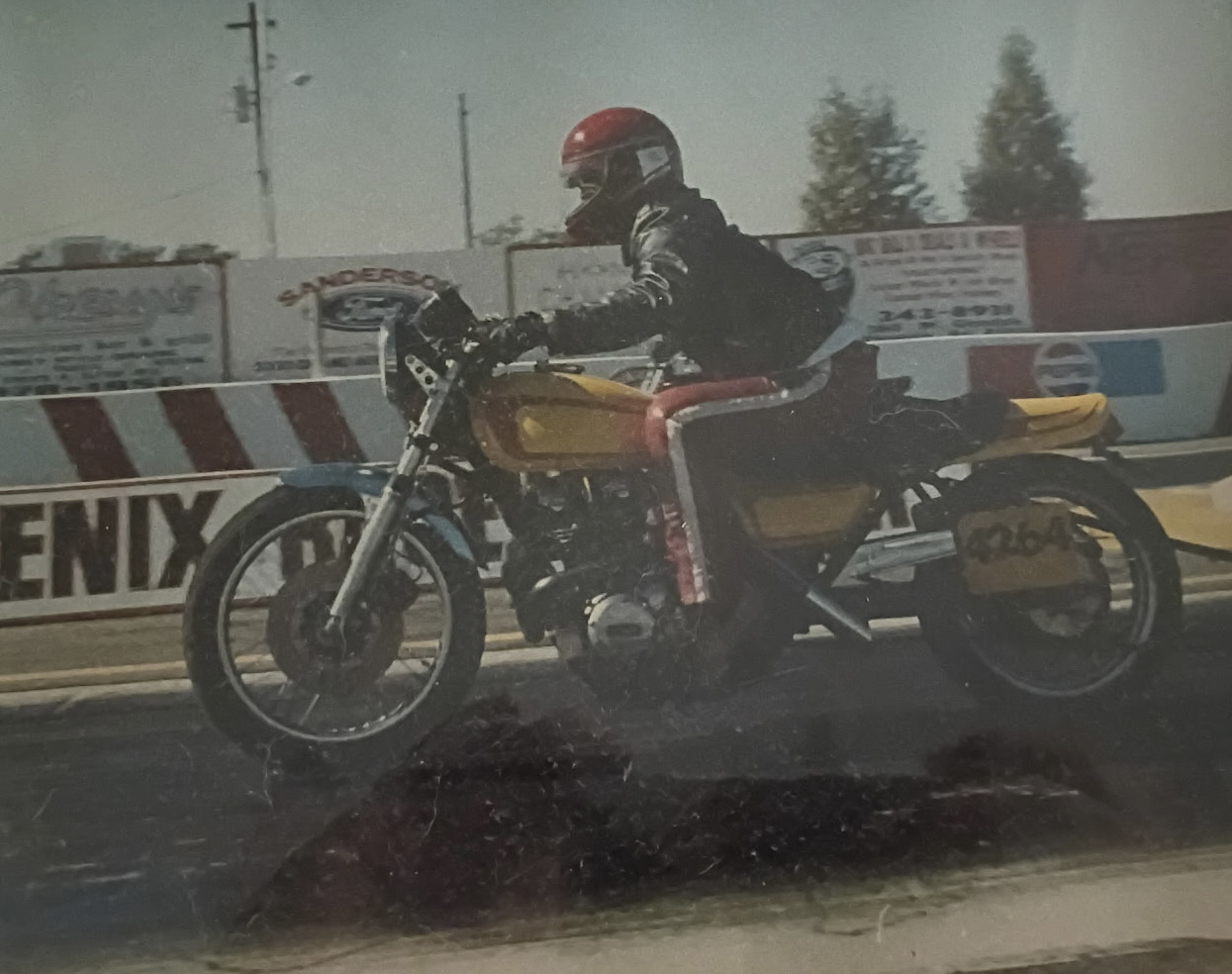



Now I spent my childhood riding bicycles and dirt bikes in the Arizona desert until it became a life absorbing hobby. Then about 1977 purchased my first street bike. A used 1973 Kawasaki Z1 900. A ground breaking motorcycle for drag racing. It was beautiful to me and the beginning of a lifetime of adventure. I rode all over Arizona and soon found a large group of riders that hung out most weekends in Phoenix on Central Ave at Arby’s.
This is where all the cruising action was, ala, American Graffiti. (This is also where I met my wife of 45 years). About 11 PM on a Friday or Saturday I would find 20 or 30 of us heading up to Carefree Highway to drag race and do top end runs against each other. We usually built a bon fire and raced, handlebar to handlebar, till 3 in the morning. These riders would often go to Beeline drag strip and beat the heck out of their bikes, making lap after lap on a Fri or Sat.
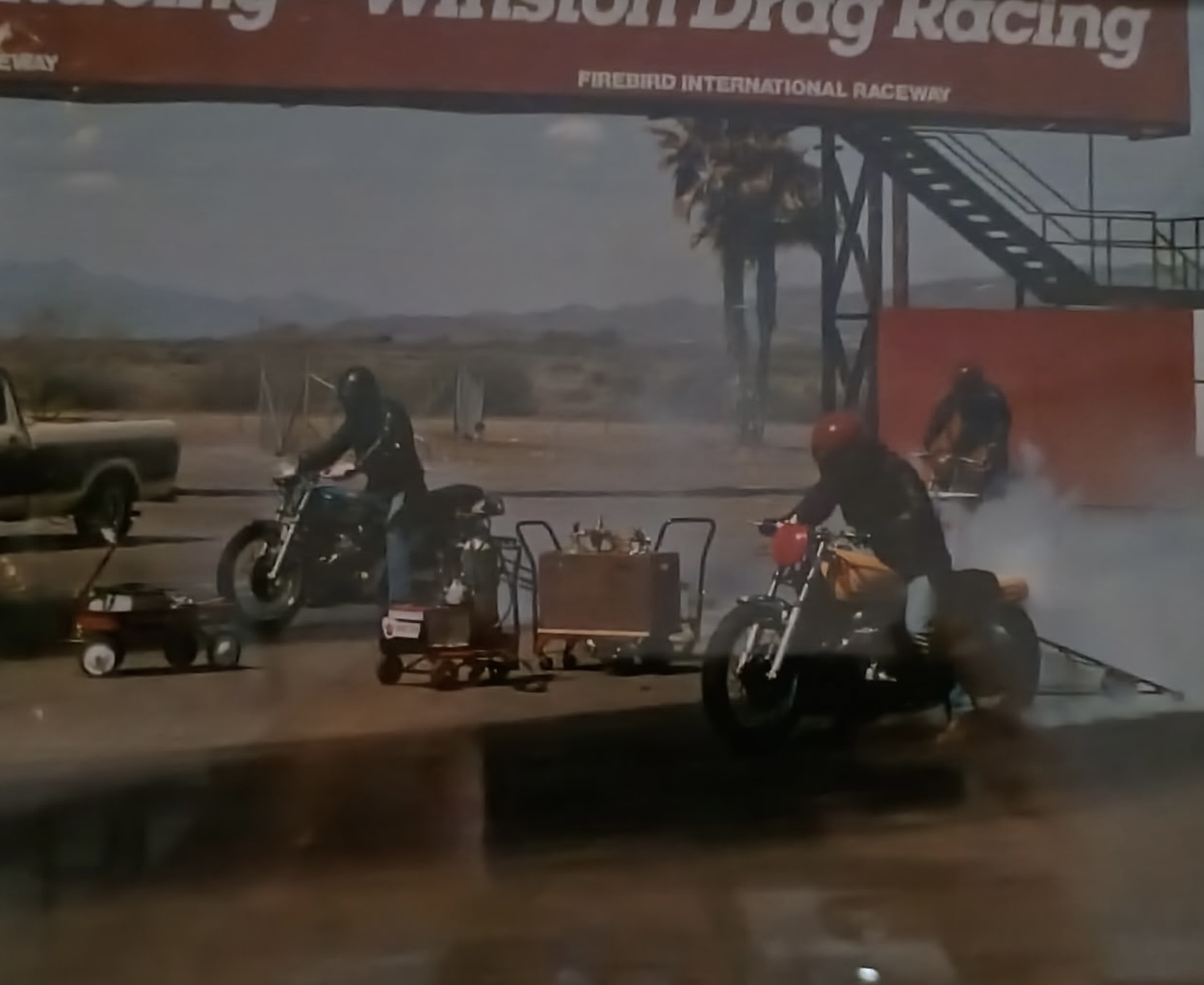
Norris Bruce was a well-known racer and with his turbocharged funny bike he was one of the top racers in the country. His “Performance Fours” cycle shop was a place where we all could get his tuning and mechanical advice and hang out. Groups of us would hold “The longest burnout contests” between the narrow buildings. If Ron Fortune was there he was the king with his nickel-plated Kawasaki Turbo 900. This group of riders are still friends and we recently attended the funeral of our mentor and friend Norris Bruce. This was our way of life and when Firebird Raceway opened in Phoenix in 1983 we all flocked there.
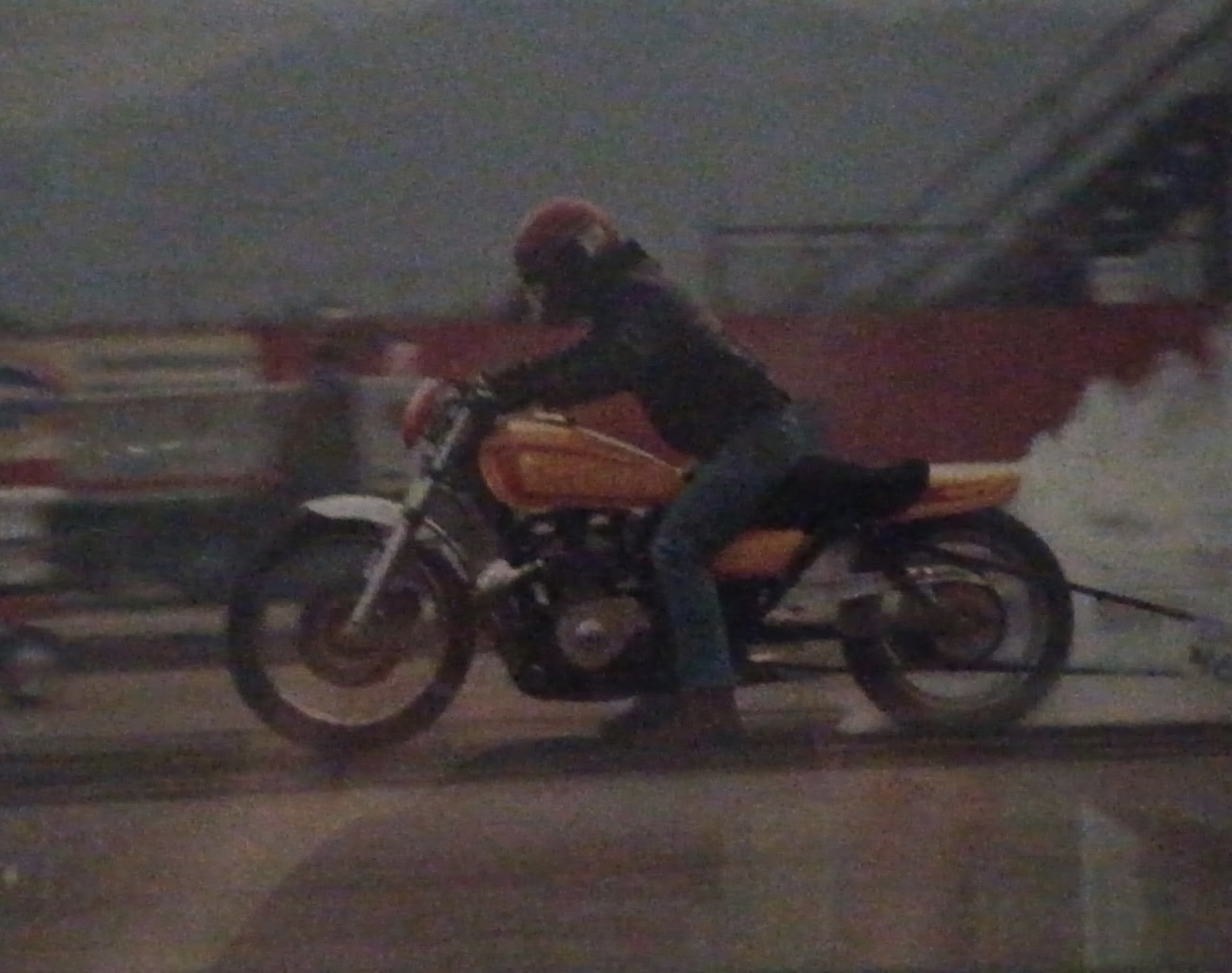
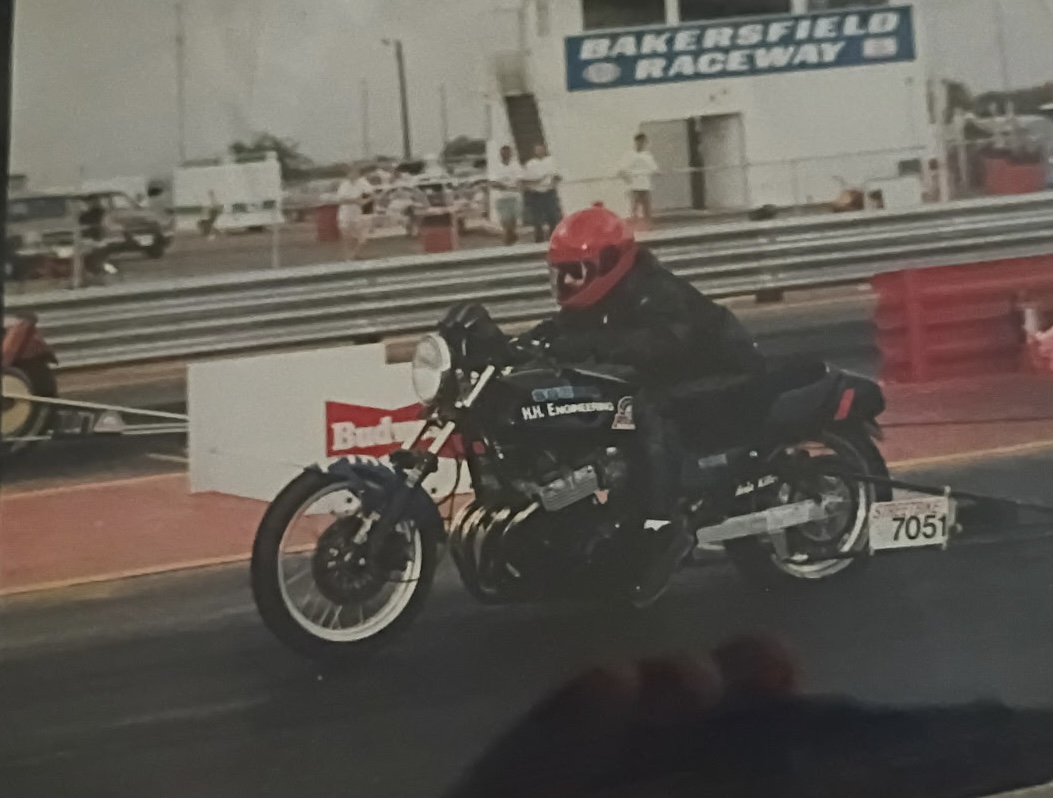
It was open every Wednesday and most Friday and Saturdays. We hot lapped that track until the staff was worn out. NHRA began the Checker Auto series (now the Summit Series). Joe Smith and I were some of the few Arizona motorcycle riders interested in that. I had to race in the car class all through the 80’s and 90’s until more bikes became interested. After racing my stock frame and wheel base for a couple years I decided I needed a more purpose built race bike. With the help of my friend, Dave Welker, I built a 1978 Kawasaki 1000 into a drag bike, a double club foot six over swing arm and wheelie bars from Marv Cable and a lockup clutch made by a machinist friend, the newest technology. Foot shifting and manual clutch I had a blast. All of us raced the Wednesday and weekend “run what ya brung” on our street bikes and I loaded my “race bike” into the back of my worn out tailgate-less 1968 Ford truck to race Checker Auto team bracket events with the cars.
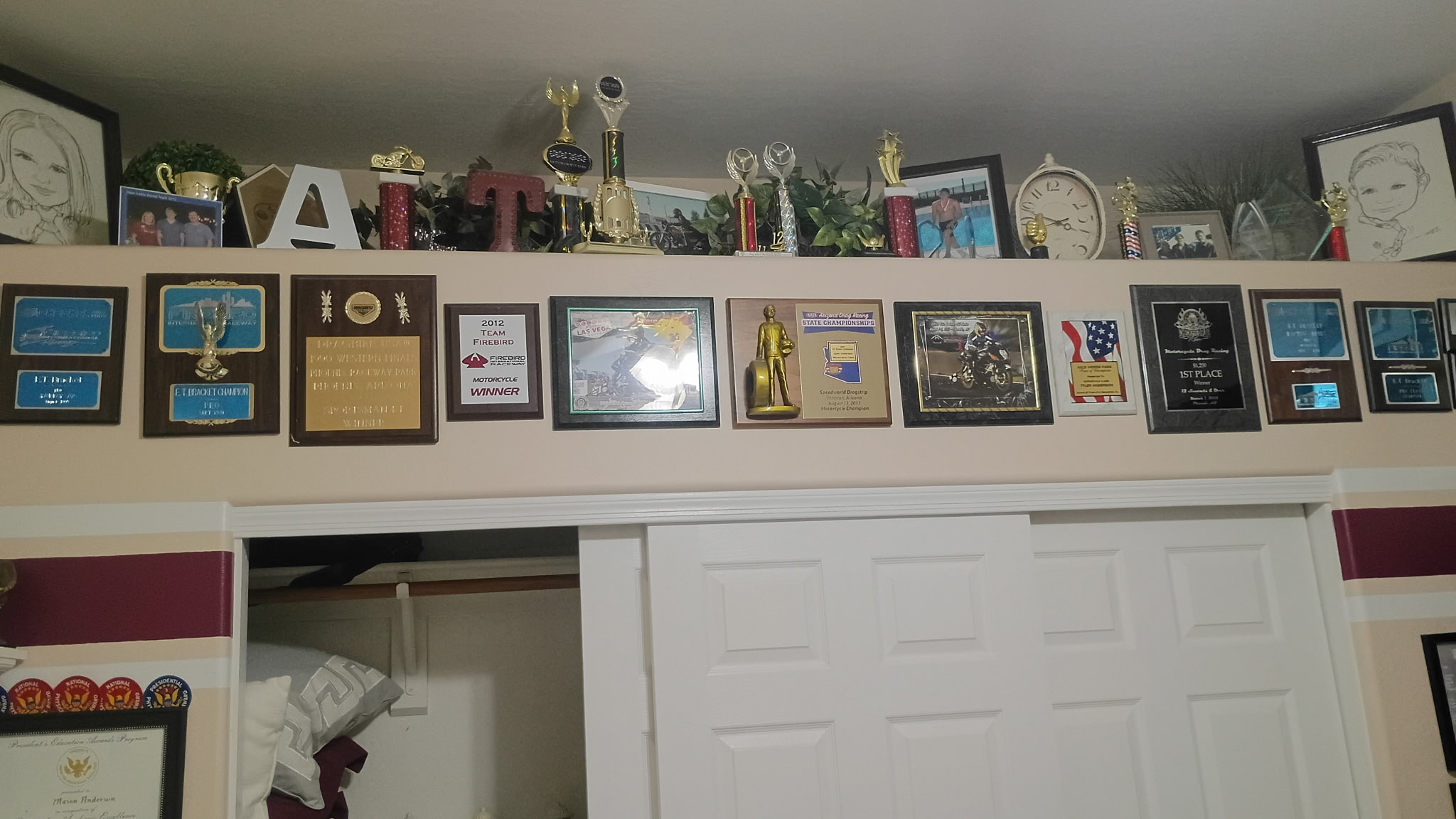



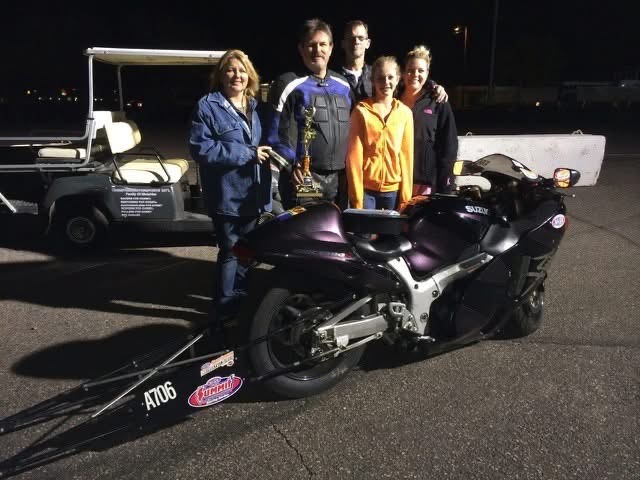
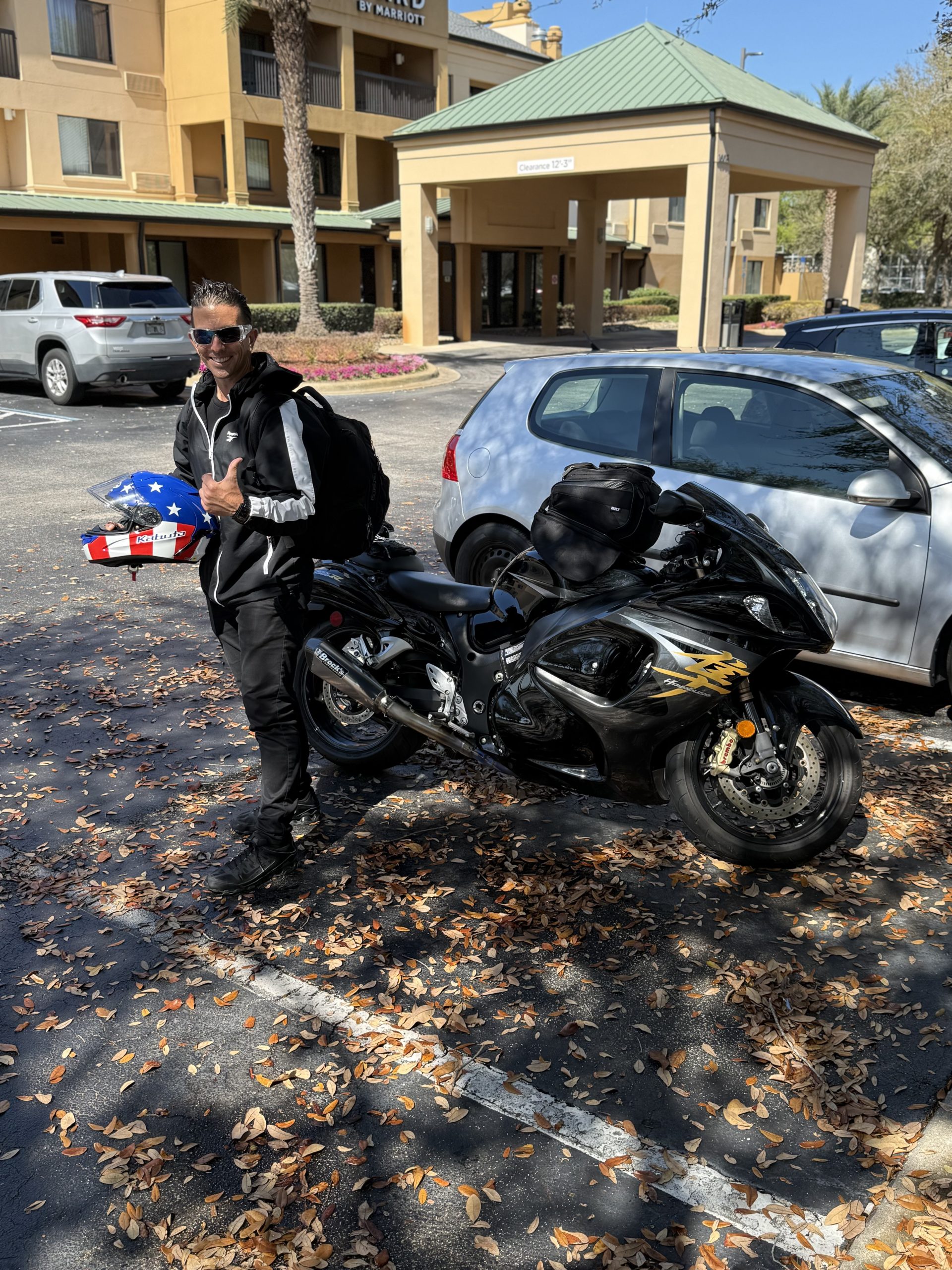
Drag racing was a lifestyle. I took a few years off drag racing to focus on raising my children and hit the drag strip again in 2010. I put together a 2004 Hayabusa bike to race with a MTC Lockup, Pingel Wheelie bars, and a stock swingarm. As of the writing of this, the bike hasn’t changed much. I have won many track championships, NHRA west coast championships and races at many tracks and a stack of trophy’s and NHRA Wally’s with this setup, that my wife doesn’t want to dust. My racing has been mostly in NHRA division 7, where the bike rules didn’t allow computers until the last few years. Once the rules allowed delay boxes in Division 7 most of the bikes that race the divisional events adopted them. This made divisional races difficult to be competitive with my setup. There are a lot of disadvantages stacked against my basic setup.
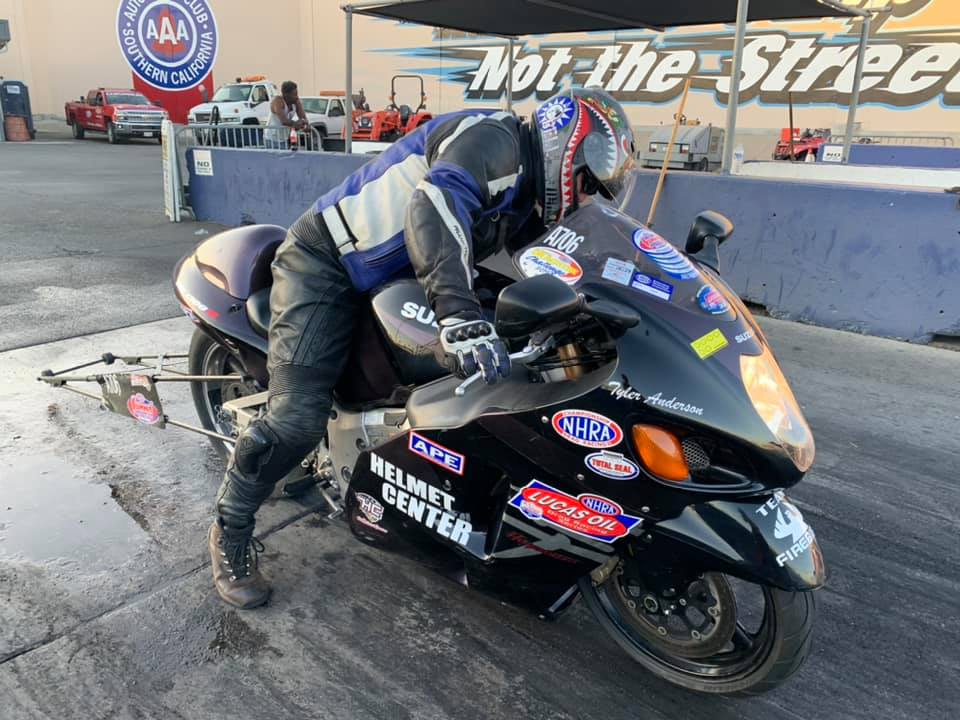
My bike is heavy and no electronics. I’m not light either. There are many lighter, more purpose built bikes with bigger tires and computers that control the bikes. These computers allow the rider to stage their bike in a more competitive fashion, control/delay the launch, autoshift, log engine performance, tire slip and many other factors that allow the racer to easily understand the needed changes to improve the bikes setup. Along with a slider clutch these bikes are competitive with classes such as super comp where dragsters cut consistently fast reaction times and run their dial within a few thousands of a second.
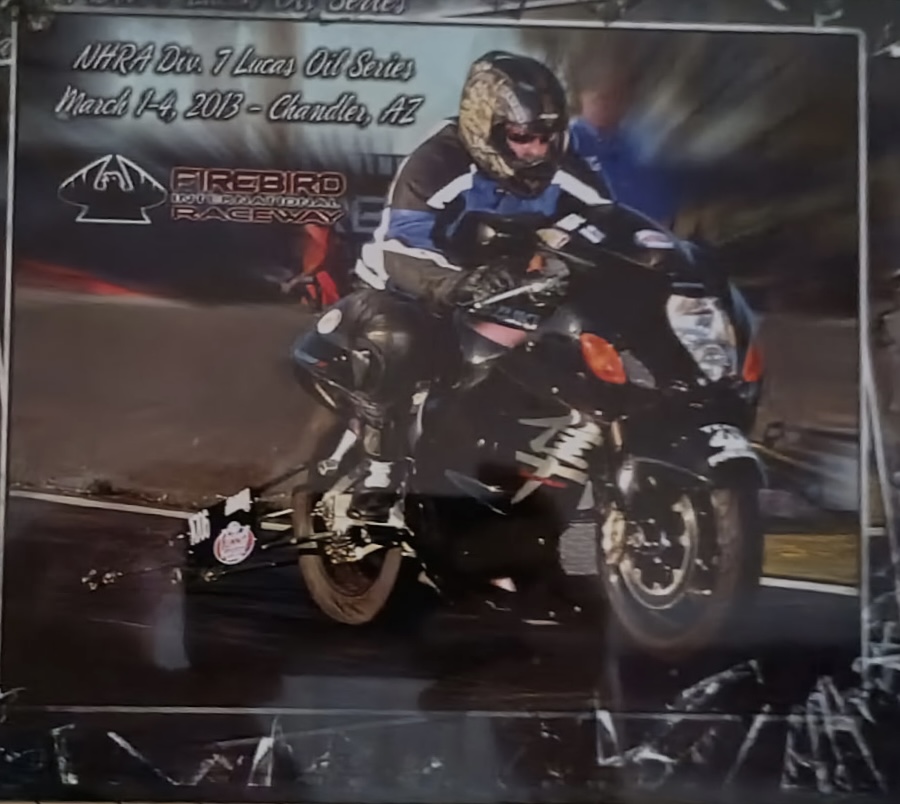
These features allow a bike to perform this way lap after lap, where it is extremely difficult to be consistent like this on a bike without that setup. Rather than adopt all this technology my choice was to just occasionally attend divisional races. Of course it will be said, why be so stubborn? I just go with the flow and use the current technology. It’s just not what interests me. I have heard a lot of people say, “I don’t care what you got, let’s line up. I will race anyone at anytime.” Sure, I agree and feel the same way and have done that time and again. I have hundreds of passes against super gas and super comp cars. But the fact is the cards are stacked against any human racing a computer. To be honest, I feel this technology is more like playing a video game than racing a motorcycle. Setup the computer, roll into the beam, let the button go and hang on while the computer and clutch do all the work.
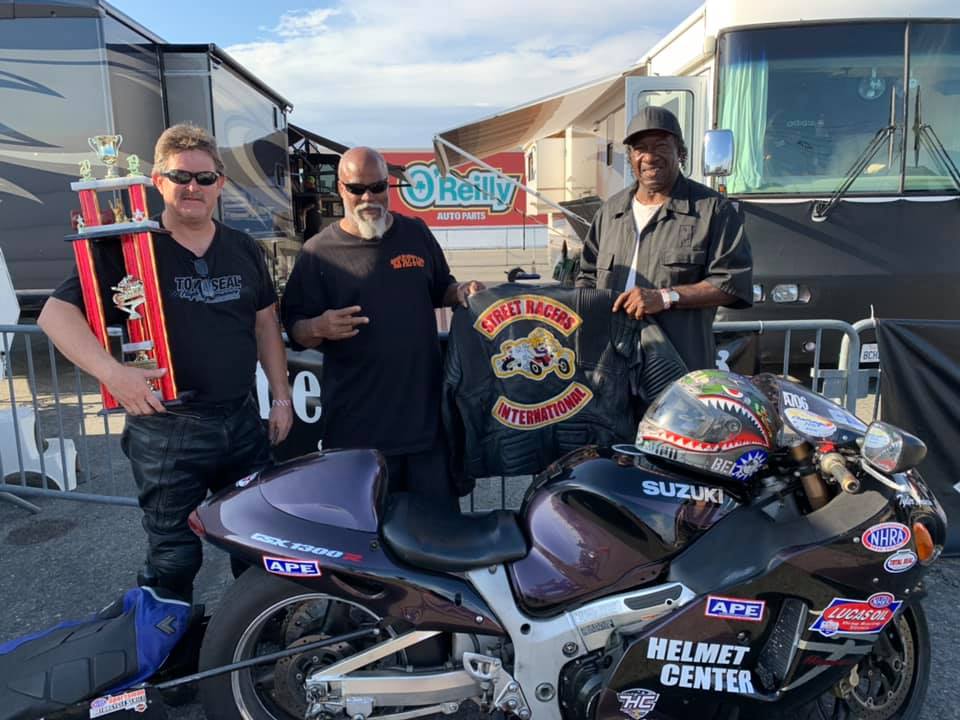
Based on bike turnout a lot of people agree, you can always stay home and play video games to get nearly the same experience. How much satisfaction can you really get by beating a hand clutch or manual shifting racer with your computer? Stack up the computer won trophies and when your dusting them off look in the mirror and ask yourself, “Did you really win?”
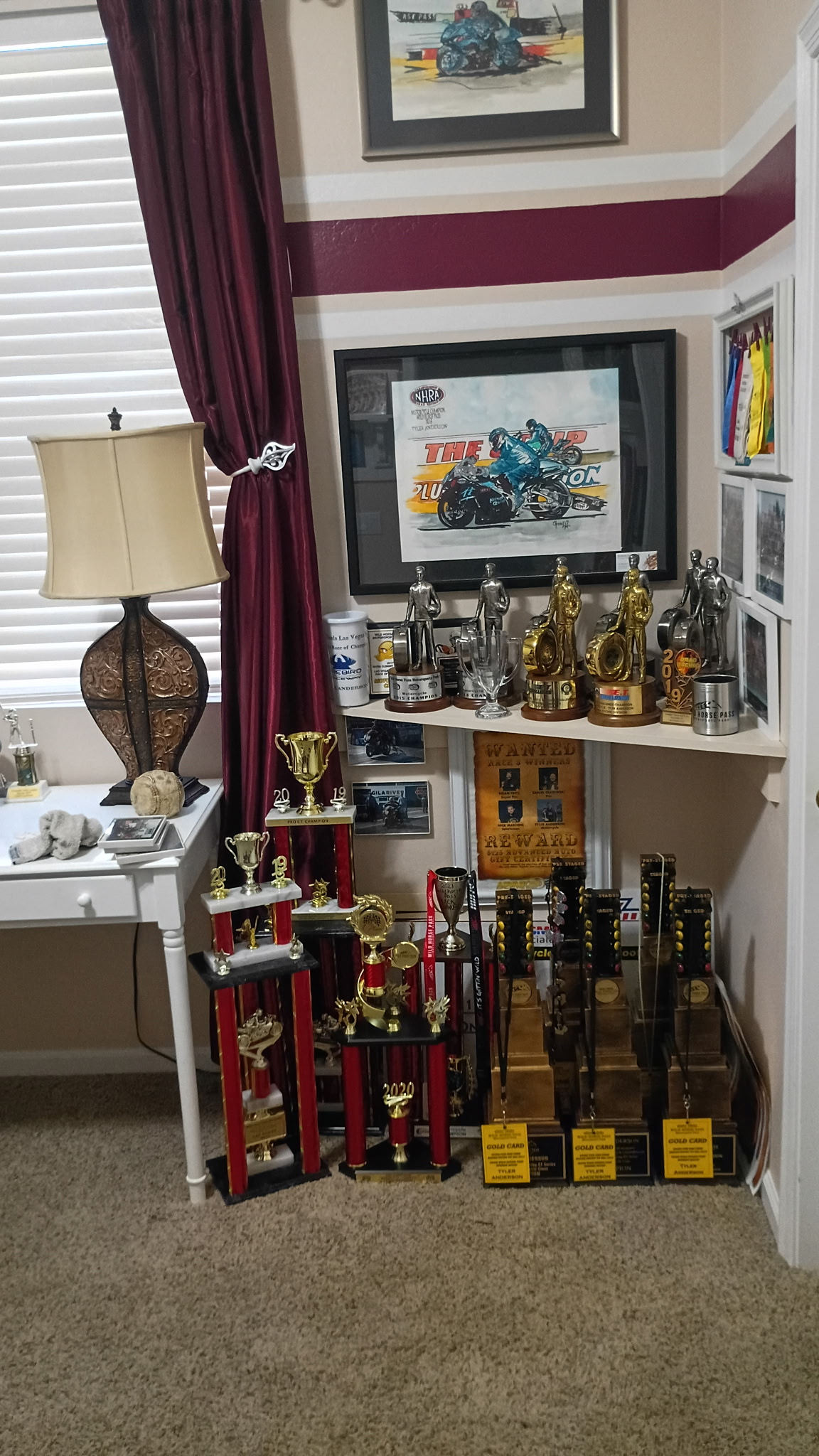
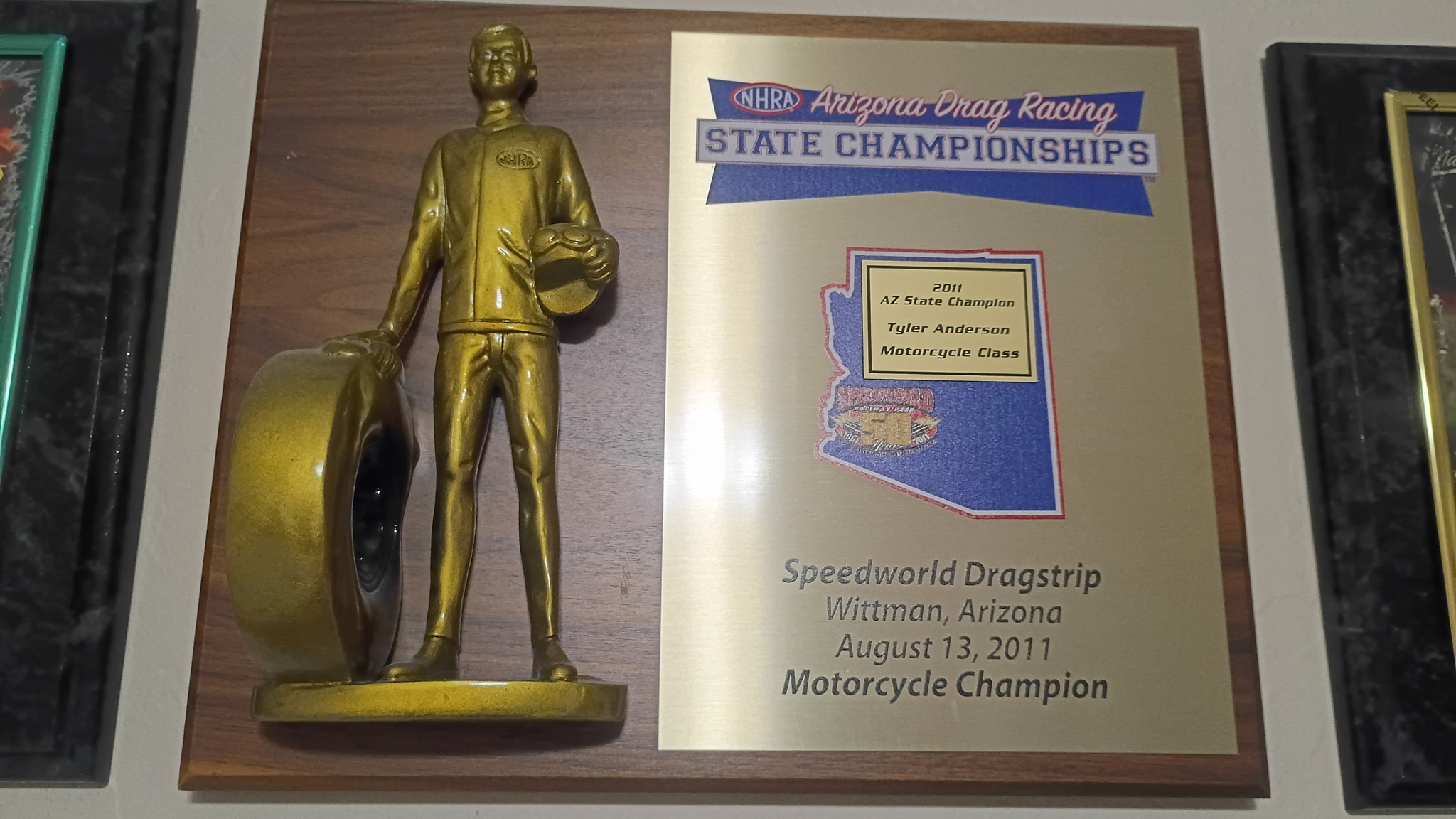
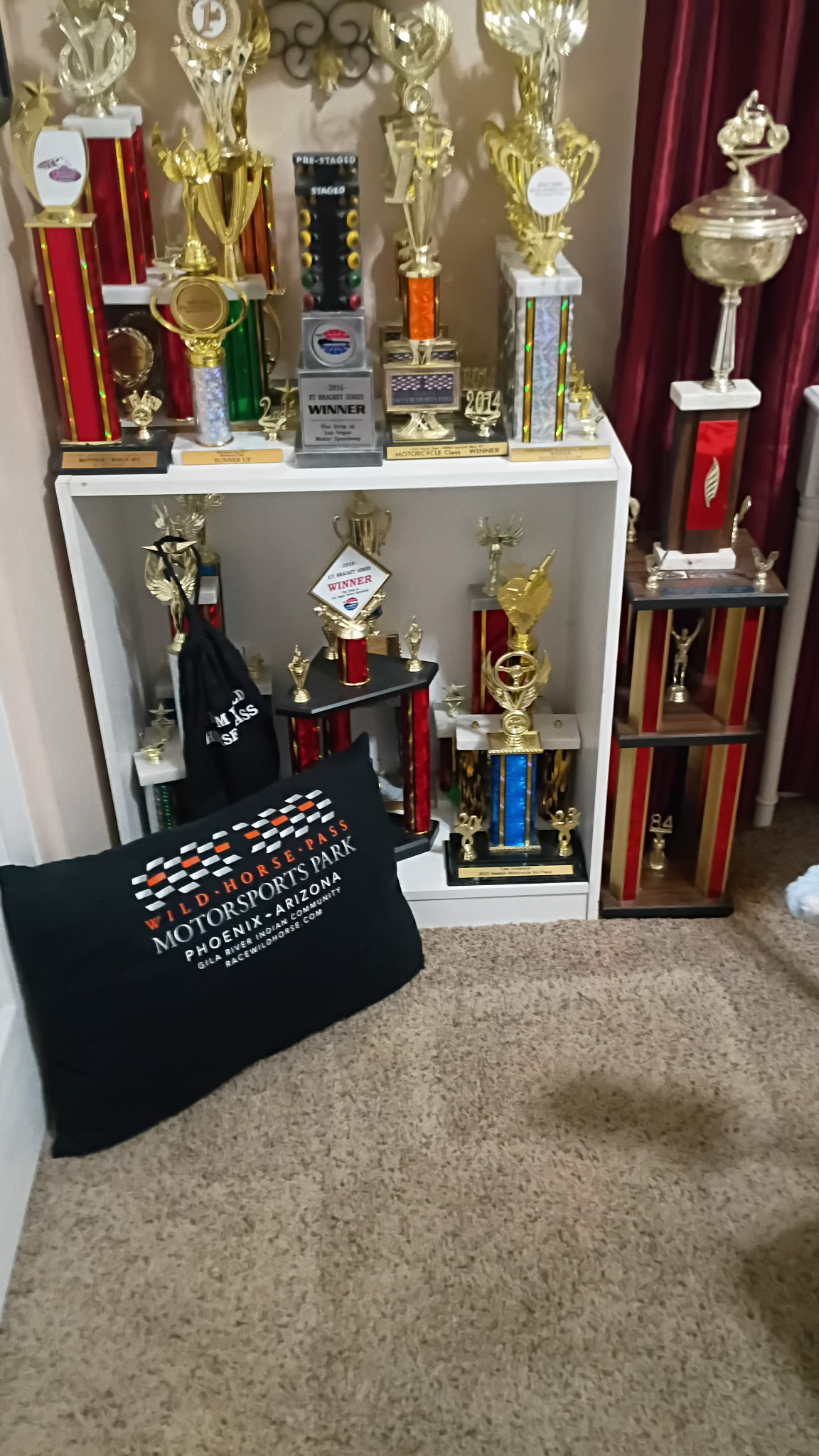



It’s the same as if you were the only racer that showed up for your class then received a trophy by default. Woot! I’m a champion!! At my home track, Firebird Raceway in Arizona we have had a small set of bike racers that haven’t adopted computers and other advanced features. This group respect each other and have an understanding that we are racing another human, not a computer or technology. This has changed over the last couple years and the person that is using this technology is leading in wins, but not the respect of the other racers. Fact is that person didn’t even setup the computer and slider clutch themselves and had to have an expert from the east coast tell them what to do. I haven’t raced much over the last couple years and have been removed from these issues, but I recently raced at an event there and could visibly see the frustration of my racing friends.
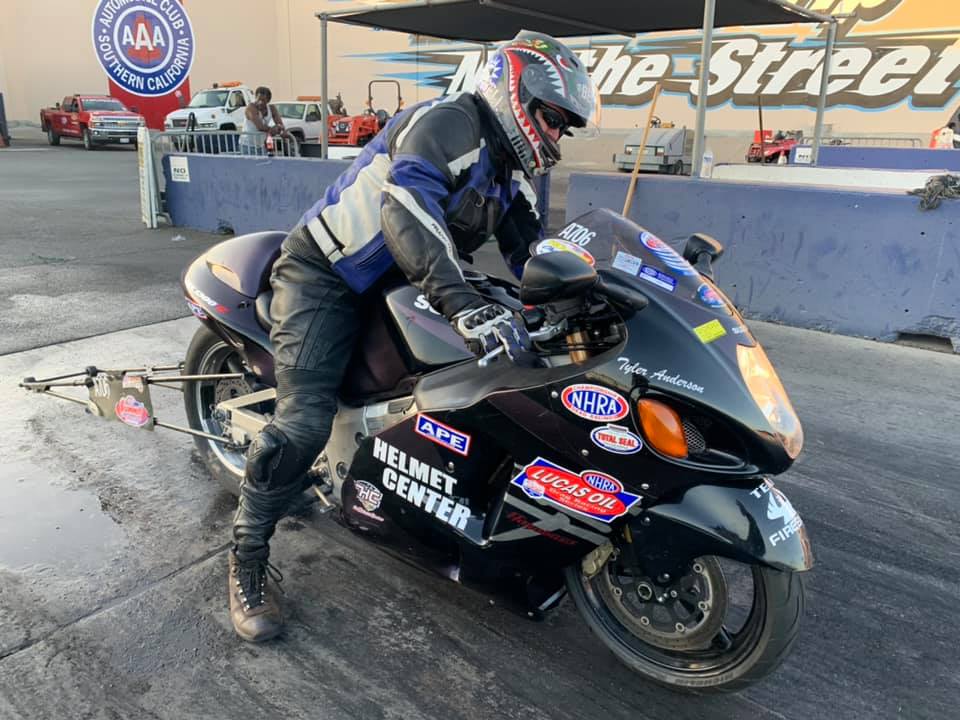
These cycle racers at Firebird are reflective of my old school roots. They are at the track for the love of racing and being competitive. They are committed and attend every event and are bracket racing because that is what they can afford. Their bikes and equipment are run on a shoe string budget. I respect them and fully relate to their situation. Racing with them is an awesome experience. Over the last 15 years I have seen a lot of street bikes come out and race with the team. John, one of the long time racers, does a wonderful job of recruiting and telling bike riders about their chance to race and driving people to join. Each time I hope that the new comers experience will make them stay, however, that usually doesn’t happen. The team is competitive, winning isn’t easy, and the cost of putting together a basic drag bike, let alone the cost of building a more purpose built competitive bike, drives the newcomer away.
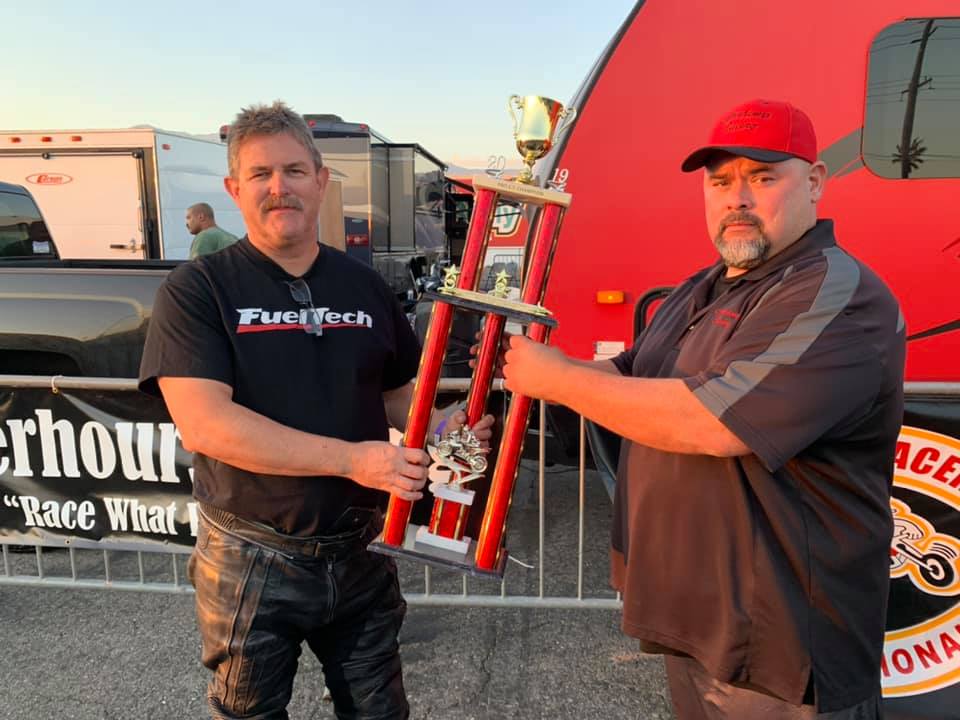
When you add up the cost of modifying the chassis, clutch, computer, tires and on and on, it just doesn’t make a lot of sense. They attend a few races then drift away. It would likely be easier and cheaper to buy a used bracket car where the classes are larger and there are a lot more events to participate in. In Arizona there have never been large fields of bikes turning out for drag racing. It has been a sport in need of nurturing. The bike count at west coast cycle drag racing has driven the inequity in the motorcycle classes. Racers that are committed to winning, (And have the money), leverage every ounce of technology they can purchase to win. You can’t blame them, use the rules and do what it takes to win. However, the majority of cycle drag racers are on a smaller budget and are not able or willing to do that. Since bike count is low, all bikes are in one class. Where the racers without any technology have to face a fully loaded racer.



NHRA has chosen to accommodate the more committed racers and allow these technologies, making it difficult if not impossible for new comers to want to racing while facing such difficult odds for a win. This is the biggest contributing factor that drives cycle racers away. When I look back on my early days of drag racing and all of my friends that used to show up and the people I see driven away today…it is obvious that the easier and less cost it is to get into racing, the more likely participation will grow.
There are many car and bike events around town, bikes of all sorts attend these.



Attracting them to race their bike shouldn’t be to make them buy a bunch of drag racing equipment before they can make a single pass. It should be, show up with what you got and we will have a class where you can have fun, win a trophy and make new friends. A quick look at the junior dragster class is an example of the poor decision making that started out as something with good intention, and if approached sensibly can be a good starting point for many young people today.
But is has been allowed to morph into a monster, where parents are driving coaches costing hundreds of thousands and basic engine’s costing many thousands. I guess that is a long way of asking the question of what the hell has happened to our sport. What kills participation in the sport seem obvious to me. But the rule makers see something different. They are focused on the large attendance events driven by the enterprise ownership of the classes top fuel, funny car and pro stock motorcycle etc.
Other likely factors are technology companies that want to sell their products to racers, who build relations with NHRA and are able to sway the rules to suit their needs. Drag racing began in earnest when people returned from World War II and built race cars out of jalopies taken from junk yards. Grass roots, organic growth, local events, through proper nurturing was a fantastic way to grow the sport. It would be a great idea to get back to what made the sport grow into the friend and family tradition it has been. Thank you Jack for stating the obvious and bucking the trend. I appreciate your intentions to improve the sport and drive participation. There is something to be learned from the concepts in the Easy Rider movie. Feeling the cracks in the road through the grips, feeling the wind, being one with the motorcycle is an amazing experience. Whether I am racing or just riding for the love, I don’t want technology to disconnect me from that. Meanwhile, I will continue to race on occasion. Ride my mountain bicycle or street bike and as Jack said “Get in some Seat Time”.



Leave your thoughts on Cycledrag Facebook
There are more videos on the Cycledrag Youtube channel (please subscribe here) and like the Cycledrag Facebook page (Please like here) and more will be coming soon. Also subscribe to our NEW Youtube channel “Racing Jack” and Check back daily


